Origins of Chikankari Embroidery
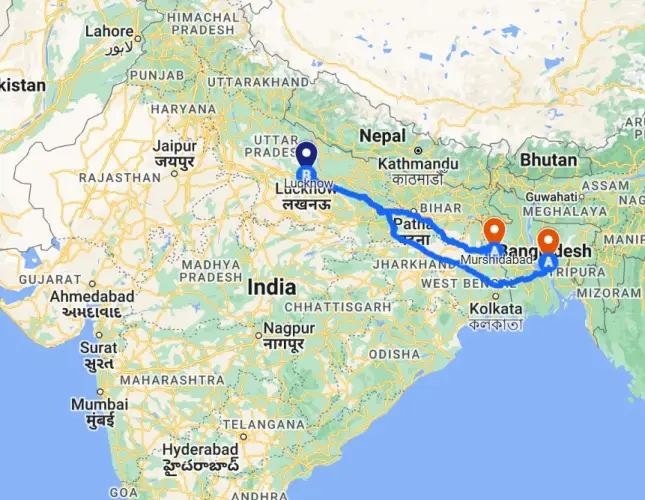
Chikankari, which literally translates to ’embroidery,’ has its roots in the Persian city of Shiraz. The term “chikan” is believed to be derived from the Persian word “chakin” or “chik”, which means embroidery. This art form found its way to India through various channels, notably during the Mughal era.
Persian Influence and Mughal Patronage
The introduction of Chikankari to India is often credited to Noor Jahan, the Persian wife of Mughal Emperor Jahangir. Noor Jahan was known for her love of art and her influence in popularizing Persian crafts in India. Under her patronage, Chikankari flourished in the Mughal court, becoming a favorite among the nobility. The intricate designs and delicate craftsmanship of Chikankari made it a symbol of elegance and sophistication in the royal courts.
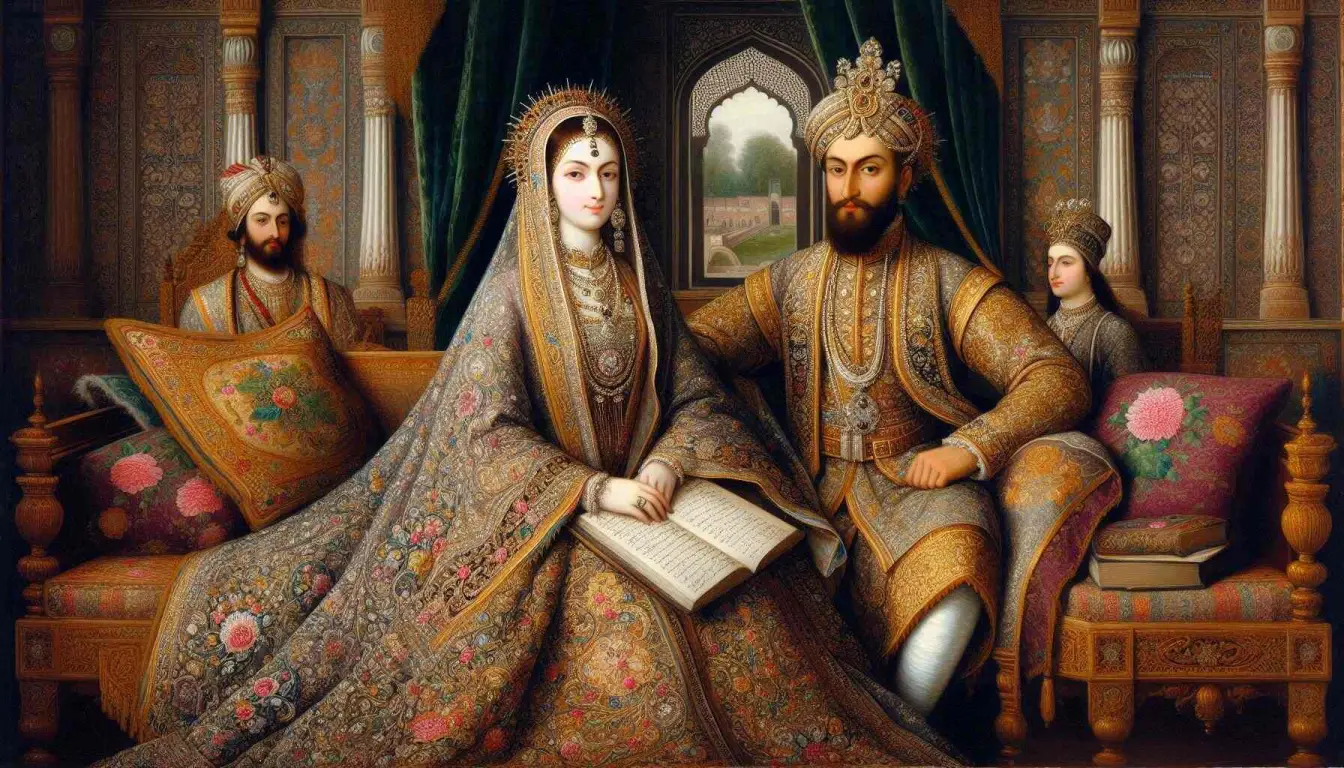
However, another story tells of a Persian traveler and a Chikankari craftsman who taught the Chikankari work to a peasant in return for shelter and water during the travel, and this is how the Chikankari entered India.
The Historical Journey of Chikankari
Ancient Mentions and Early Practices
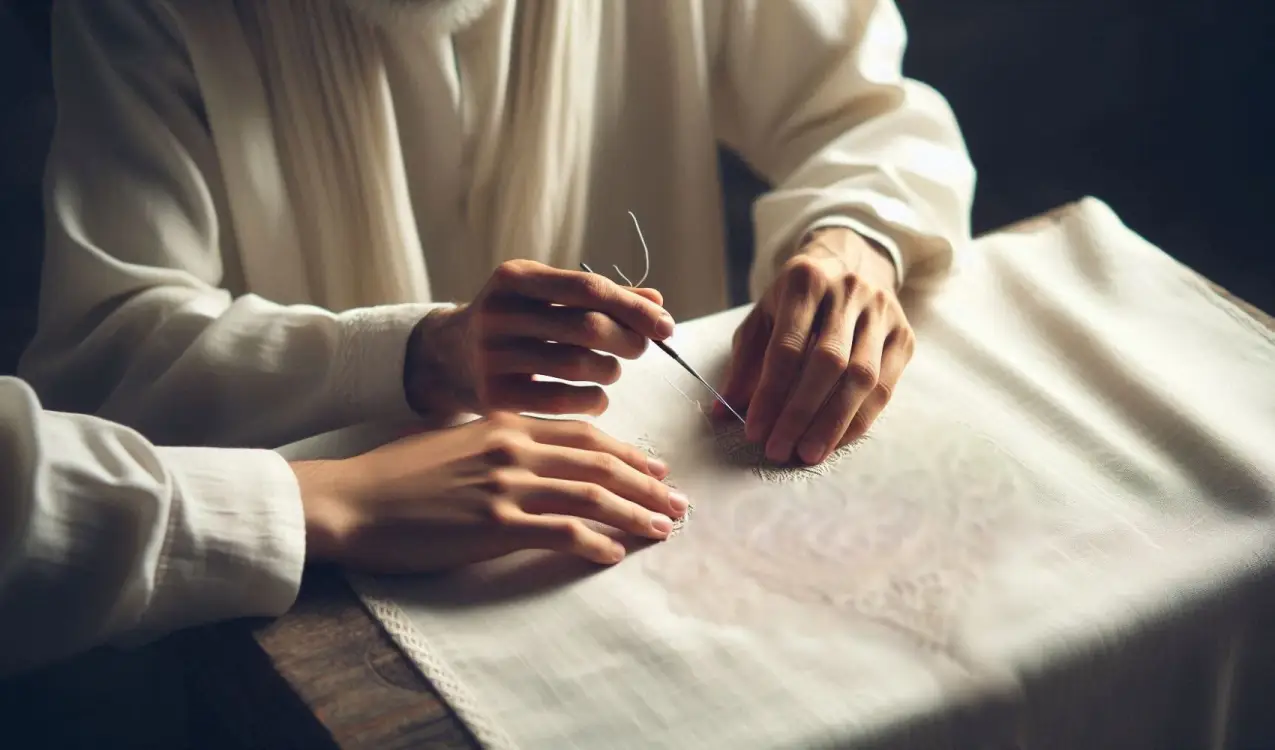
Embroidery has a rich and fascinating heritage in India, with references dating back to ancient times. Megasthenes, the Greek ambassador to the Indian court during the 3rd century BCE, documented the exquisite embroidery skills of Indian artisans in his writings. The history of chikankari embroidery became especially significant during the Mughal era, when the emperors actively supported and promoted arts, textiles, and fine craftsmanship. Their royal patronage allowed Chikankari to flourish, transforming it into one of India’s most admired embroidery traditions that continues to be celebrated for its delicate handwork and timeless elegance.
Regional Centers and Decline
The Techniques of Chikankari
Chikankari is renowned for its intricate and delicate work, traditionally done with white thread on white muslin cloth, often called “white-on-white” embroidery. There are 32 different types of stitches used in Chikankari, but five basic stitches form the foundation:
Tepchi: A simple running stitch that creates a fine outline. It is often used to outline motifs or create a base for further embellishments.
These stitches are combined to create intricate patterns and motifs, often inspired by nature, including flowers, leaves, and paisleys. The art of Chikankari requires great skill and patience, as each stitch must be executed with precision to achieve the desired effect.
The Modern Revival of Chikankari
Contemporary Relevance and Fashion
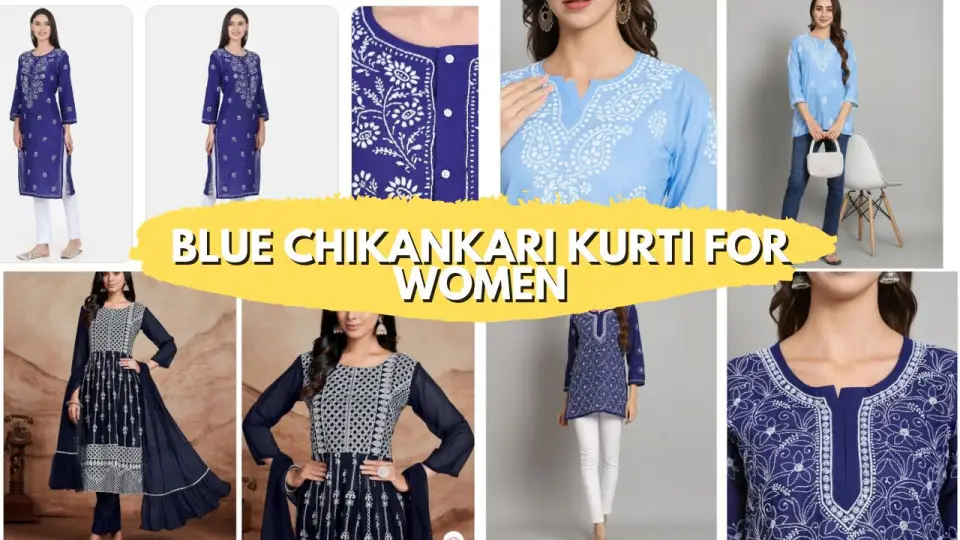
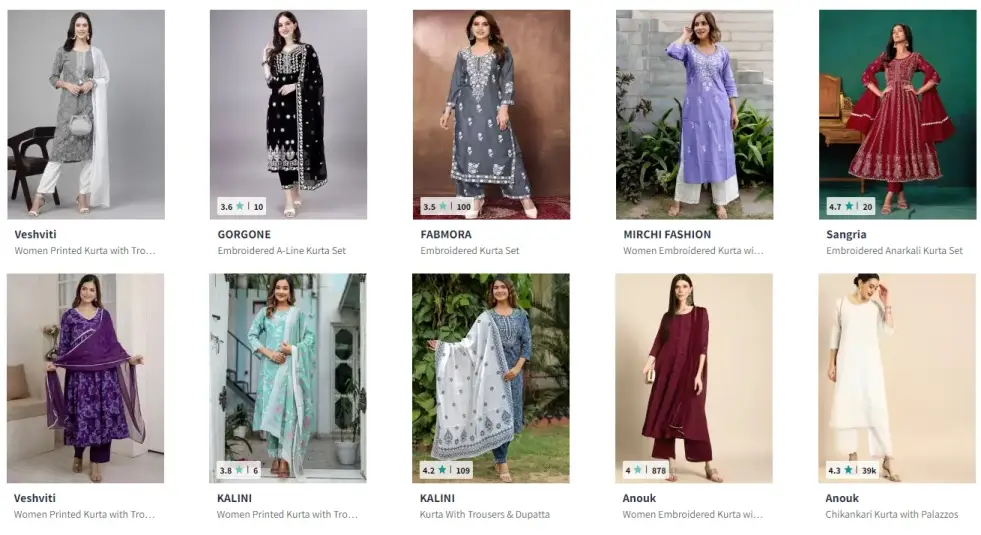
Despite the challenges it faced over the centuries, Chikankari has experienced a remarkable revival in the modern fashion industry. The history of chikankari embroidery reflects not only its rich heritage but also its ability to adapt to changing fashion trends. Today, designers and skilled artisans seamlessly blend this traditional embroidery with contemporary styles, creating elegant sarees, kurtas, dupattas, blouses, and even modern Western outfits. This perfect fusion of timeless craftsmanship and innovative design has helped Chikankari gain worldwide recognition, making it a popular choice among fashion enthusiasts in India and across the globe.

Cultural Heritage and Preservation
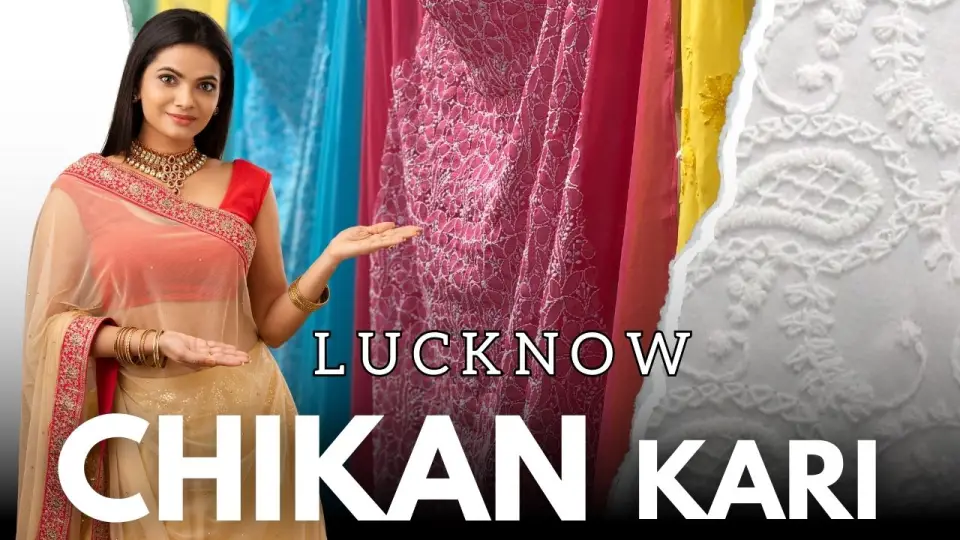
Chikankari thrives in Lucknow, with numerous workshops and artisans dedicated to preserving and promoting this art form. Experts like Ms. Huma Baker play a crucial role in teaching and passing down the techniques of Chikankari to new generations, ensuring its continuity and evolution. Organizations and NGOs are also working to support Chikankari artisans, providing them with the resources and platforms to showcase their work. This collective effort has not only helped preserve the heritage of Chikankari but has also provided a livelihood to many artisans, ensuring the sustainability of this beautiful craft.
Geographical Indication (GI) Status
In 2008, Chikankari received the prestigious Geographical Indication (GI) status, marking an important milestone in the history of chikankari embroidery. This recognition confirms that only authentic Chikankari produced in the designated region of Lucknow can legally carry the name. The GI tag protects the craft from imitation products while preserving its originality, cultural significance, and centuries-old embroidery traditions.
The GI status plays a crucial role in maintaining the authenticity, quality, and reputation of this traditional embroidery. It encourages artisans to continue practicing the intricate techniques that have been passed down through generations. As an important chapter in the history of chikankari embroidery, this recognition not only celebrates the exceptional craftsmanship of Lucknow’s artisans but also safeguards the cultural heritage associated with the craft.
Today, Chikankari continues to be admired for its elegance, fine detailing, and timeless appeal. The GI status has also created significant economic opportunities by providing sustainable livelihoods for thousands of artisans and supporting the local economy. By protecting this traditional art form, the recognition helps ensure that future generations can continue to appreciate and preserve one of India’s most treasured embroidery traditions.
Buy Blue Chikankari Kurta for Women