


Introduction to Finishing Defects in Garments
Finishing defects in garments are flaws or imperfections that appear during the final stages of garment production, affecting the overall appearance, quality, and presentation of the finished product. These defects may result from improper finishing techniques, poor workmanship, low-quality materials, or inadequate quality control. Identifying and correcting finishing defects in garments is essential for maintaining high production standards, improving customer satisfaction, and ensuring every garment meets professional quality expectations.
Common Types of Garment Defects
A comprehensive list of garment defects with pictures is given below.
A. Stitching Defects in Garments with Images
Sewing defects or Stitching Defects are among the most common issues encountered in garment production. They significantly affect the garment’s structural integrity and aesthetic appeal. Key sewing defects or stitching defects include:
Open Seams
Unstitched sections can lead to garment defects. An open seam is a sewing defect where the seam allowance has not been properly stitched, resulting in an unintended gap or opening along the seam line. This defect can occur due to incomplete stitching, broken threads, or insufficient seam allowance. Open seams compromise the structural integrity and appearance of the garment, often leading to further damage if not addressed promptly.
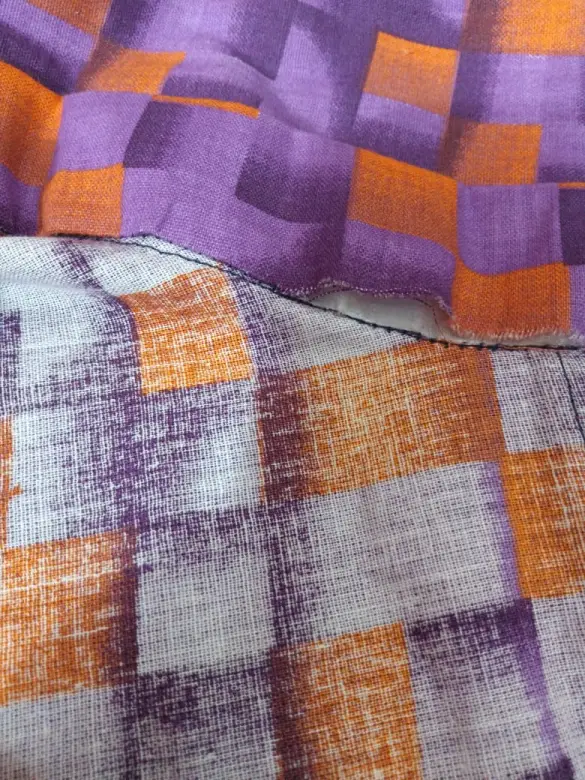
Seam Puckering
Seam puckering is a common sewing defect that significantly affects the appearance and quality of a finished garment. It is characterized by the wrinkling or gathering of fabric along the seams, leading to an uneven and undesirable look.
Wrong Stitching Technique
Wrong stitching technique refers to using incorrect or inappropriate methods for stitching a garment, which can weaken its structure and compromise its quality. This can include incorrect stitch types, inconsistent stitch lengths, and improper stitch density. These sewing defects can reduce durability, poor appearance, or functional problems in the garments.
Use of the Wrong Thread
Using the wrong thread involves selecting inappropriate thread types or weights for a particular fabric or garment, which can affect the final product’s durability and appearance. This sewing defect can result from using thread that is too thick, too thin, or unsuitable for the fabric’s properties.
Incorrect Creasing
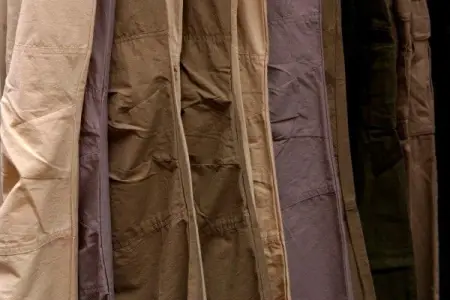
Incorrect creasing refers to improper folding and pressing techniques during the sewing process. These techniques can distort the garment’s shape and affect its fit and appearance. This defect often arises from inaccurate pattern alignment, improper use of pressing equipment, or lack of attention to detail during the creasing process.
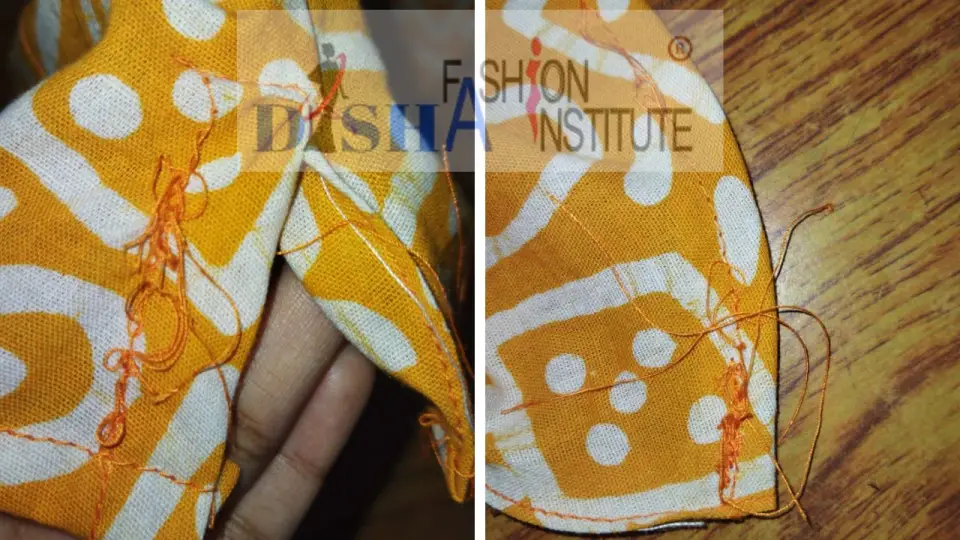
Wrong Thread Tension
This is another common type of stitching defect. Inconsistent stitching due to incorrect tension settings. It can cause seam puckering. It can cause thread entanglement as well.
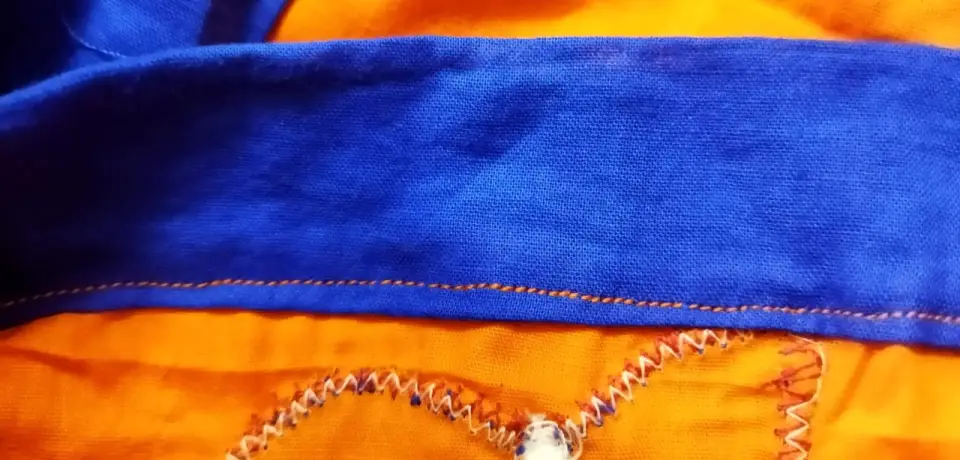
Uneven Stitching Line:An uneven stitching line is a common sewing defect characterized by stitches that are not consistently straight or evenly spaced along the seam. This defect can significantly affect the aesthetic quality and structural integrity of a garment. It can be caused by wrong thread tension, wrong stitching technique, improper machine adjustment, etc.
Broken or Poor-Quality Buttons
Description: Buttons that are defective or made from low-quality materials can easily break, rendering the garment unusable. This defect often occurs due to inadequate material selection, improper button attachment techniques, or subpar quality control processes.
Impact: Poor-quality buttons compromise the functionality and appearance of the garment, leading to customer dissatisfaction and potential returns.
Prevention: To avoid this defect, it is crucial to select high-quality buttons that match the garment’s specifications and ensure they are securely attached using appropriate techniques.
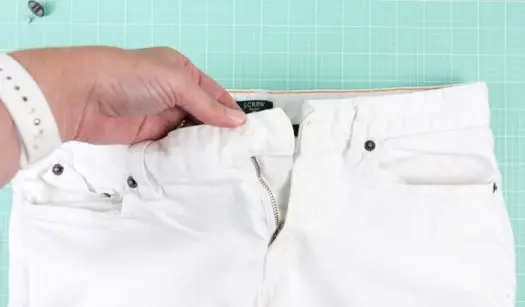
Multiple Fabric Shades
Description: Inconsistencies in fabric dyeing can result in multiple shades of the same colour within a single garment. This defect typically occurs due to variations in dye batches, differences in fabric lots, or inadequate mixing of dyes.
Impact: Varying fabric shades within a garment can be visually unappealing and indicate poor manufacturing practices, damaging the brand’s reputation.
Prevention: Ensuring consistent dyeing processes, using fabric from the same dye lot, and performing thorough quality checks can help prevent this defect.
Incomplete Stitches
Description: Incomplete stitches are stitching defects that occur when the sewing process is not completed correctly, leaving garment sections unstitched or poorly stitched. This can result from machine malfunctions, operator errors, or insufficient thread supply.
Impact: Unfinished stitching weakens the garment’s seams, reducing its durability and potentially causing it to fall apart.
Prevention: Regular maintenance of sewing machines, proper operator training, and rigorous quality inspections can help ensure complete and secure stitching.
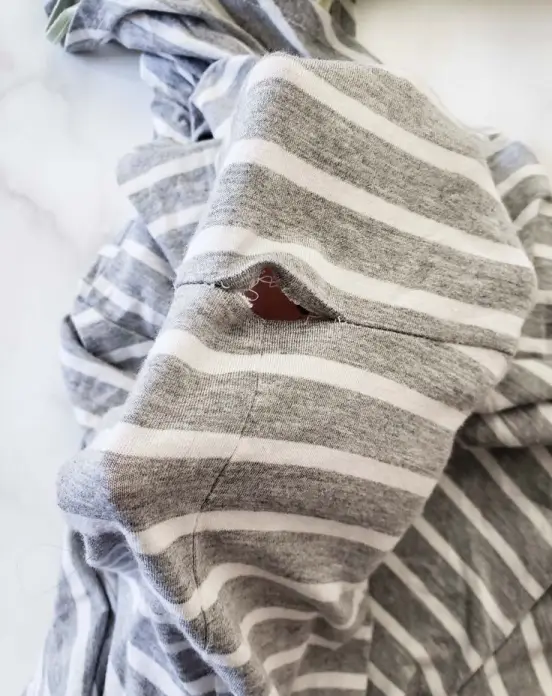
Fabric Holes
Description: Holes or tears in the fabric can occur for various reasons, including mishandling of fabric, sharp objects, or defects in the fabric itself. These imperfections can appear during any stage of production.
Impact: Fabric holes significantly compromise the integrity and appearance of the garment, making it unsellable.
Prevention: Handling fabric with care, inspecting fabric rolls for defects before use, and maintaining a clean and safe working environment are essential practices to prevent this defect.
Wrong Zipper Placement
Description: Misaligned or incorrectly placed zippers can hinder the garment’s functionality and aesthetic appeal. This defect often arises from inaccurate measurements, poor sewing techniques, or improper pattern alignment.
Impact: Incorrect zipper placement can make the garment difficult to wear and reduce its overall attractiveness, leading to customer complaints.
Prevention: Accurate measurements, proper sewing techniques, and thorough checks during the production process can help avoid this issue.
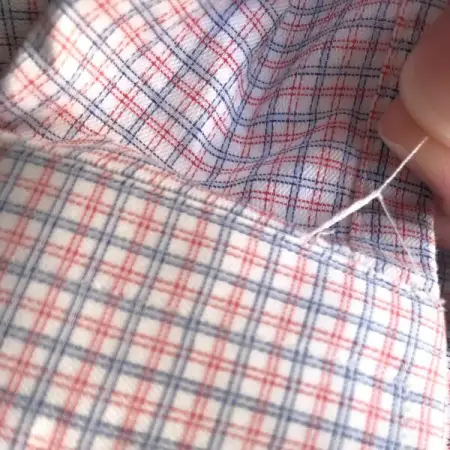
Loose Threads
Description: Loose threads are stitching defects that refer to untrimmed or poorly secured threads that hang from the garment, giving it an unfinished and unprofessional look. This defect can result from inadequate finishing processes or a lack of attention to detail. However, loose threads can be intentionally used in some garments as a design.
Impact: Loose threads detract from the garment’s overall finish and, if not addressed, can lead to further unravelling of seams.
Prevention: Implementing strict finishing protocols and thorough inspections can ensure all loose threads are trimmed and secured before the garment reaches the customer.
Stains
Description: Stains on fabric can occur from various sources, including handling, machinery, or environmental contaminants. These unwanted marks can be difficult to remove and significantly affect the garment’s appearance.
Impact: Stains make the garment unsellable and can damage the brand’s image if not addressed promptly.
Prevention: Maintaining a clean production environment, using protective coverings, and conducting regular inspections can help prevent stains from occurring.
Unfinished Buttonholes
Description: Poorly constructed or unfinished buttonholes can compromise the functionality and appearance of the garment. This defect typically arises from incorrect stitching techniques or machine malfunctions.
Impact: Unfinished buttonholes can make it difficult to fasten buttons securely, reducing the garment’s usability and aesthetic quality.
Prevention: Ensuring proper machine settings, regular maintenance, and operator training can help produce high-quality buttonholes.
Incorrect Trimming
Description: Incorrect trimming involves excess fabric or improper cutting that affects the garment’s shape and fit. This defect can occur due to inaccuracies in pattern cutting, poor manual trimming, or inadequate attention to detail.
Impact: Excess or uneven fabric detracts from the garment’s silhouette and can result in an unflattering fit, leading to customer dissatisfaction.
Prevention: Utilizing precise cutting techniques, regular training for cutting staff, and thorough quality checks can ensure accurate and proper trimming.
B. Colour Defects
Colour-related finishing defects in garments can significantly affect the overall appearance and perceived quality of a finished product. Maintaining accurate colour consistency throughout the finishing process is essential to meet design specifications and customer expectations. Some of the most common colour defects include:
- Wrong Colours or Dyes: Using incorrect dyes or colours that do not match the approved design, sample, or production requirements.
- Colour Mismatch: Noticeable differences in shade or tone between the approved sample and the finished garment, leading to an inconsistent appearance and reduced customer satisfaction.
C. Sizing Defects
Sizing defects affect the fit and comfort of a garment. These issues are often irreversible, even with alterations. Common sizing defects include:
Wrong Grading of Sizes: Incorrect size scaling that affects the fit.
Mismatched Sizes for Different Parts: Mismatched sizes for different parts refer to discrepancies in the dimensions of various garment components, such as sleeves and the body, resulting in a poor fit. This defect also includes disproportionate sizing of elements like pockets. It can be categorized as both a sizing and sewing defect, as it often arises from errors in pattern-making or stitching processes.
The Impact of Finishing Defects in Garments
Finishing defects in garments can negatively affect both manufacturers and fashion brands by reducing product quality and customer confidence. Even minor finishing flaws can lead to increased costs and lower customer satisfaction. Some of the major impacts include:
- Customer Dissatisfaction: Poor finishing quality can result in customer complaints, product returns, and negative reviews.
- Damage to Brand Reputation: Repeated finishing defects in garments can reduce trust in a brand and affect its market reputation.
- Financial Losses: Repairing, replacing, or refunding defective garments increases production and operational costs.
- Material Waste and Lower Efficiency: Defective garments often require rework or disposal, leading to wasted materials, additional labour, and reduced manufacturing efficiency.
Preventive Measures and Quality Control
Implementing robust quality control measures is essential to minimize garment defects. Key preventive measures include:
Thorough Fabric Inspection:Checking for fabric defects before production.
Standardized Stitching Techniques:Ensuring uniform stitching methods.
Proper Thread Selection:Choosing appropriate threads for different fabrics.
Regular Machine Maintenance:Keeping sewing machines in optimal condition.
Consistent Colour Matching:Ensuring dye batches are consistent.
Accurate Sizing:Implementing precise size grading and pattern making.
Detailed Final Inspections:Conduct comprehensive checks on finished garments.
Essential Checks Before Exporting Garments
Before exporting garments, it is crucial to perform the following checks to ensure quality:
Final Appearance:Inspect the overall look of the garment for any visible defects.
Manufacturing Quality:Verify that all manufacturing processes have been correctly executed.
Physical Qualities:Check the garment’s strength, durability, and construction.
Colour Fastness:Ensure the colours are stable and do not bleed or fade.
Finishing Quality:Assess the finishing touches, such as trimming and pressing.
Presentation:Make sure the garment is well-presented and packaged.
Conclusion
In conclusion, preventing finishing defects in garments is essential for maintaining high product quality and delivering garments that meet customer expectations. By understanding the most common finishing defects and implementing effective quality control measures at every stage of production, manufacturers can reduce errors, minimize waste, and improve overall efficiency. Regular inspections, skilled workmanship, and continuous process improvement play a vital role in achieving consistent finishing quality.
By prioritizing the prevention of finishing defects in garments, brands can strengthen their reputation for quality, build long-term customer trust, reduce production costs, and remain competitive in the garment industry.