
Quality Control in the Garment Industry: Ensuring Excellence from Fabric to Finish

Table of Contents
Introduction
Quality is the foundation of every successful garment manufacturing business, and it directly influences customer satisfaction, brand reputation, and long-term success. In the quality control in garment industry, every stage of production—from fabric inspection and cutting to stitching, finishing, and packaging—must be carefully monitored to ensure that each garment meets the required standards. Customers expect garments that not only look attractive but also offer durability, comfort, accurate sizing, and consistent performance.
Quality, in its true sense, is measured by the level of satisfaction a customer experiences after using a product. A garment is considered high quality when it meets the intended design, performance, and finishing standards without defects or inconsistencies. This is why quality control in garment industry plays a vital role in identifying errors early, maintaining production consistency, reducing waste, and ensuring that every finished garment meets both industry standards and customer expectations. By implementing effective quality control practices, manufacturers can improve efficiency, minimize costly defects, and build a strong reputation for delivering reliable, high-quality apparel.
The quality of a garment is influenced by various factors, including the performance and quality of the fabric, the manufacturing processes, color fastness, design, and finishing. Each of these elements must meet high standards to produce a final product that delights the customer and stands the test of time.
Define Quality Control in the Garment Industry
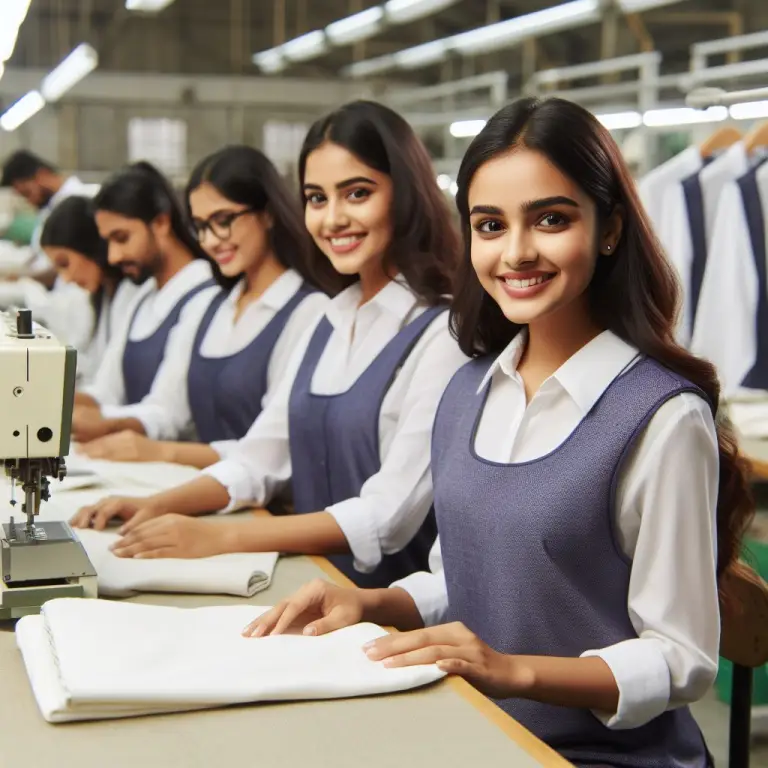
Quality control (QC) is one of the most important processes in garment manufacturing, ensuring that every garment meets the required quality standards before it reaches the customer. Quality control in garment industry involves a series of inspections, tests, and evaluations carried out on raw materials, fabrics, components, and finished garments to identify defects and maintain consistency throughout the production process. These quality checks help ensure that every product meets the desired specifications for appearance, fit, durability, stitching, and overall performance.
In simple terms, quality control in garment industry refers to the systematic inspection and testing performed at different stages of production to ensure garments are manufactured according to established quality standards. Rather than relying on a final inspection alone, quality control focuses on detecting and correcting issues throughout the manufacturing process, reducing defects, minimizing waste, and improving production efficiency.
Manufacturers, exporters, retailers, and garment brands should implement effective quality control practices during fabric inspection, cutting, stitching, finishing, packing, and even pre-delivery inspections. Maintaining strict quality standards at every stage not only improves customer satisfaction but also reduces production costs, strengthens brand reputation, and ensures the delivery of high-quality garments that meet both industry requirements and customer expectations.
Objectives of Quality Control
The primary objectives of quality control in the garment industry are:
Producing Garments of Required Quality: Ensuring that the final product meets the specific quality requirements and standards expected by the customer.
Fulfilling Customer Demand: Consistently meeting the expectations and demands of customers by delivering high-quality products.
Preventing Wastage: Minimizing waste of materials and resources by adhering to strict quality standards and efficient production processes.
Reducing Production Costs: Lowering the overall cost of production through efficient quality control measures, which help identify and rectify defects early in the process.
Maximizing Advantage at Minimum Cost: Achieving the best possible quality and customer satisfaction with the least expenditure, optimizing both quality and cost-efficiency.
Conclusion
Quality control in garment industry is essential for ensuring garments meet high standards of quality, durability, and customer satisfaction. By following effective quality control practices throughout the manufacturing process, businesses can reduce defects, improve product consistency, and build a strong brand reputation. A well-planned quality control in garment industry also helps minimize waste, lower production costs, and deliver reliable products to customers.
The following topics will help you understand quality control in the garment industry, covering its key concepts, inspection methods, quality standards, and best practices from start to finish.
Join Disha Fashion Institute
You can also visit our Homepage or explore our different Course pages to learn more about our programs. If you need any guidance related to courses like Basic Tailoring, Diploma in Tailoring, Fashion Designing, or other fashion-related courses, feel free to contact us. Our team will understand your requirements, skill level, and career goals to guide you toward the most suitable course that matches your learning needs. you can check our YouTube Channel we post our Institute and tutorial over there.