
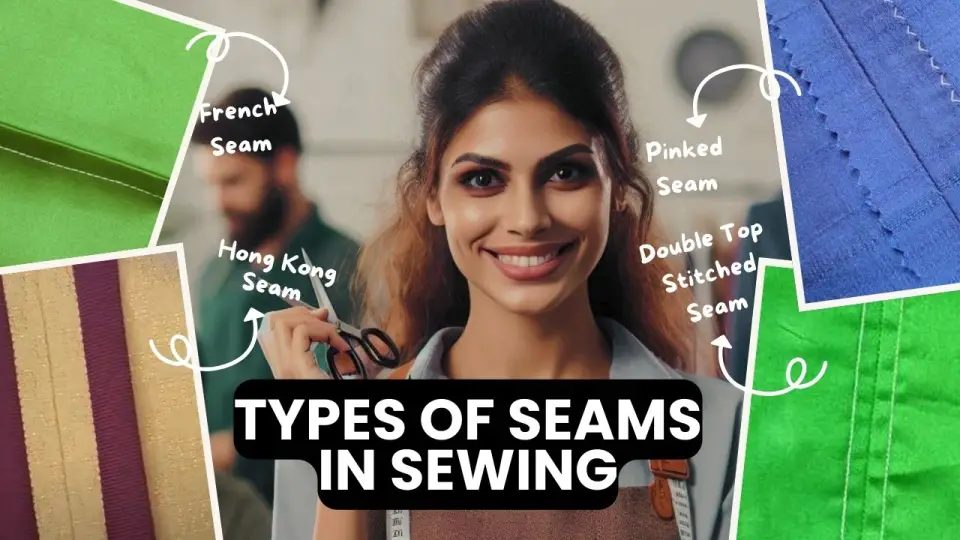
17 Different Types of Seams and Seam Finishes | Complete Sewing Guide
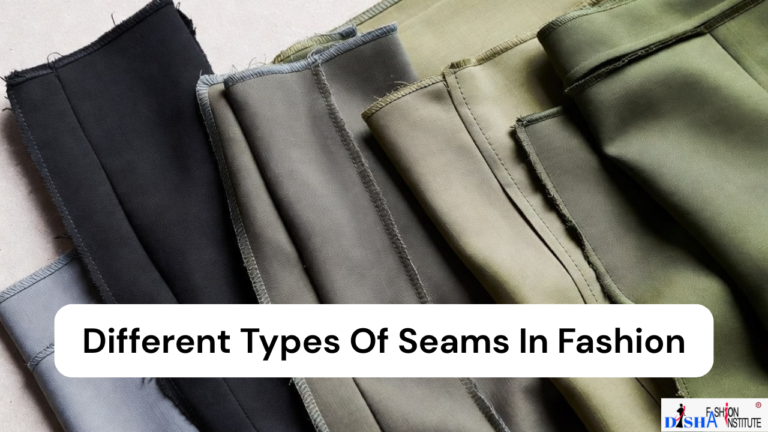
This guide explores 17 different types of seams and seam finishes, from basic options like the plain seam to advanced finishes such as the French seam and bias-bound seam. Each seam is explained with its purpose, technique, and practical applications, making it a valuable resource for sewists of all skill levels.
If you don’t know what a seam means in sewing and want to understand what a seam allowance is, we suggest reading our previous blog post.
Table of Contents
Plain Seam
Among the different types of seams, the plain seam is the most basic and widely used in garment construction. It is formed by joining two pieces of fabric with a straight line of stitching while maintaining an even seam allowance throughout the length of the fabric. After sewing, the seam allowances are pressed open so they lie flat on either side, giving the garment a neat and professional finish. Because of this pressing technique, it is often referred to as an open seam. The plain seam is also commonly known as a straight seam since the stitching runs in a straight, parallel line along the fabric edge. Its simplicity, strength, and versatility make it an essential seam for a wide range of sewing projects.
To make a plain seam:
- Stitch: Sew the two pieces of fabric together with a straight stitch.
- Press: Press the seam open, or if the fabric is lightweight, trim the seam allowance and press it to one side.
Tips for a Perfect Plain Seam:
- Use Throat Plate Guidelines: Most throat plates have small lines notched to the right of the presser foot. Align the edge of your fabric with the seam guideline on your sewing machine’s throat plate to ensure a straight stitch.
- Fabric Choice: Plain seams work best on fabrics that don’t fray easily, like lightweight to medium-weight cotton, linens, and fine wool.
By following these steps and tips, you can create clean and professional-looking plain seams in your sewing projects.
A plain seam can be divided into three types: a straight seam, a curved seam, and a cornered seam, depending on whether the seam edge is straight, curved, or angled.
Curved Seam
Among the different types of seams, the curved seam is used to join fabric pieces with rounded edges, such as necklines, armholes, collars, and other shaped sections of a garment. Since these areas are not straight, it’s important to keep the seam allowance even from start to finish to achieve a smooth, professional-looking result.
Sewing a curved seam requires steady control and careful fabric handling so the stitching follows the curve at a consistent distance from the edge. For improved accuracy, many sewists reduce the stitch length, use a seam guide, and sew at a slower speed. These simple techniques make it easier to navigate curves and create clean, well-shaped seams that enhance the overall finish of the garment.
Cornered Seam
Among the different types of seams, the cornered seam is used whenever two straight stitching lines meet to form an angle, such as in collars, cuffs, pockets, and other garment details with sharp corners. Creating a strong and neat cornered seam requires careful stitching and precise fabric handling.
To improve durability, the corner area is typically reinforced with reverse stitching or a few extra stitches on either side of the angle using a shorter stitch length. When sewing enclosed corners, accurate pivoting at the exact turning point is essential for achieving crisp, well-defined edges. In projects like shirt collars, trimming or slightly blunting the seam allowance before turning the fabric right side out helps reduce bulk and creates smoother, sharper corners with a professional finish.
Closed Seams
Among the different types of seams, closed seams are designed so that the raw fabric edges are neatly finished, preventing fraying and giving the garment a clean, durable appearance. The method used to create a closed seam depends on the fabric type, the sewing technique, and the desired finish.
One of the most common ways to sew a closed seam is by using a serger or overlock machine. These specialized machines trim the excess seam allowance while simultaneously wrapping the fabric edge with multiple threads, creating a secure and professional finish. Closed seams are especially useful for lightweight or loosely woven fabrics that tend to unravel easily, making them a popular choice for garments that require both durability and a polished look.
Another way to create this type of seam is by using a zigzag stitch. A zigzag stitch is a type of stitch created on a regular sewing machine that overlaps the edges of the seam allowance.
Following are different types of closed seams. There could be many more, depending on the creativity of the sewer.
- Zig-Zag
- Overcast
- French
- Bound Welt
- Lapped
- Run and Fell
- Turned & stitched seam
- Hong-Kong seam
Turned and Stitched Seams
A turned and stitched seam is a type of seam finish where the raw edges of the fabric are folded under and sewn down. This technique creates a neat, durable edge that resists fraying, making it an ideal finish for garments or projects that require a polished interior.
Hong Kong Seam
Among the different types of seams, the Hong Kong seam is a premium seam finish that neatly encloses raw fabric edges with bias tape. This technique creates a clean, durable interior while helping to prevent fraying. To make a Hong Kong seam, bias tape is stitched to the seam allowance, folded over the raw edge, and sewn into place. Unlike a fully bound seam, one edge of the bias tape remains visible on the inside, reducing bulk and making this finish ideal for thicker fabrics.
The Hong Kong seam is best suited for medium to heavyweight materials such as wool, denim, tweed, and canvas, where a standard overlocked finish may add unnecessary bulk or fail to provide the desired appearance. Among the different types of seams, this finish is widely appreciated for unlined jackets, coats, trousers, and other high-quality garments because it gives the inside a refined, professional look without the need for a full lining. In addition to enhancing appearance, it reinforces seam edges, improves durability, and helps garments withstand regular wear and repeated washing.
Bias Bound Seam
Among the different types of seams, the Bias Bound Seam is a popular finishing technique that completely covers the raw fabric edges with a bias-cut strip. This method not only prevents fraying but also gives the inside of a garment a clean, durable, and professional-looking finish.
The Bias Bound Seam is often compared to the Hong Kong Seam because both use bias tape to finish seam allowances. However, the key difference lies in how the bias tape is applied. In a Bias Bound Seam, the tape is folded over and stitched so that all raw edges are fully enclosed and hidden. In contrast, a Hong Kong Seam leaves one edge of the bias tape exposed on the inside, resulting in a less bulky finish that is better suited for certain heavier fabrics. This fully enclosed finish makes the Bias Bound Seam an excellent choice for garments where both durability and a polished interior are important.
Applications of Bias-Bound Seam
-
Garment Construction: Commonly used in high-end garments like jackets, dresses, and tailored outfits to reinforce seams while adding a polished interior appearance.
-
Home Décor: Applied in finishing edges of curtains, pillowcases, and table linens to provide durability and an elegant touch.
-
Specialized Apparel: Frequently used in sportswear or activewear for its smooth finish, which reduces chafing and increases comfort.
-
Accessories: Suitable for bags, pouches, and other crafted items to create a professional and refined look.
-
Outerwear: Ensures durability in coats, jackets, and blazers, particularly for seams exposed to wear and tear.
Self Enclosed Seams
Among the different types of seams, self-enclosed seams are designed to hide all seam allowances inside the finished seam, eliminating the need for additional edge-finishing techniques. This type of seam is an excellent choice for sheer fabrics, unlined garments, children’s clothing, and projects that are expected to withstand frequent washing or heavy use. By enclosing the raw edges, self-enclosed seams improve durability while giving the inside of the garment a clean, professional appearance.
To achieve a smooth and high-quality finish, careful trimming, accurate stitching, and proper pressing are essential. Trimming the seam allowances helps reduce bulk, while pressing each stage of the seam ensures it lies flat instead of appearing thick or uneven. When sewn correctly, self-enclosed seams create strong, comfortable, and long-lasting garments with a polished finish on both the inside and outside.
Following are the types of seams under this category.
- The French seam
- Fat felled seam
- Mock French seam
French Seam
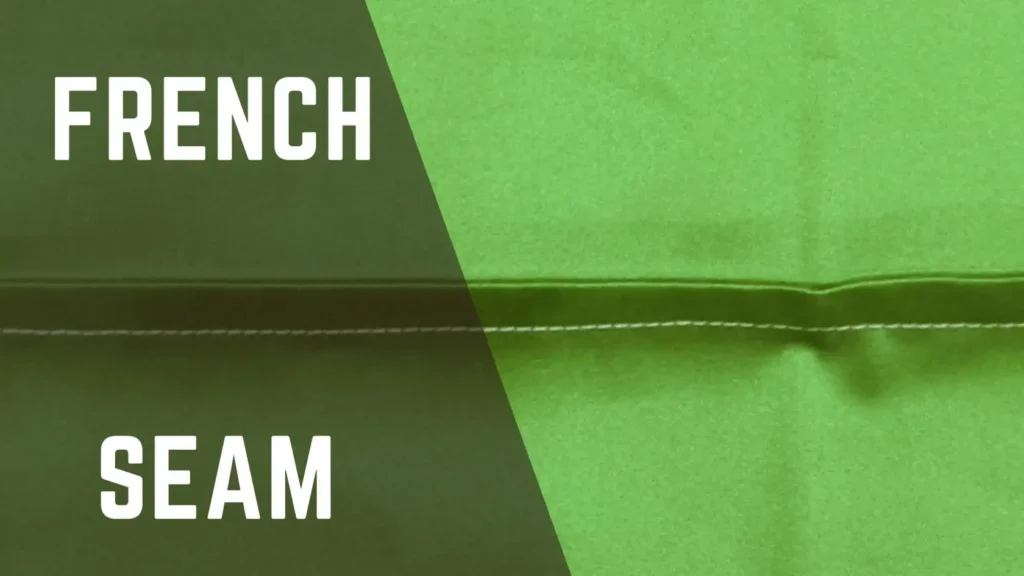
Among the different types of seams, the French Seam is one of the most elegant finishing techniques for lightweight and delicate fabrics. It is created by sewing the fabric twice in a way that completely encloses the raw edges inside the seam, resulting in a clean, durable, and polished finish without any visible fraying.
French Seams are especially suitable for fine fabrics such as voile, organza, chiffon, georgette, and other sheer materials that require a refined appearance. Since the finished seam contains multiple layers of fabric, it can become slightly bulky on thicker materials, making it better suited for lightweight garments, lingerie, blouses, dresses, and other delicate sewing projects. Its combination of strength and neatness makes it a popular choice for sewists who want both durability and a professional-quality finish.
Use of French Seam
-
Delicate Fabrics: Perfect for lightweight or sheer fabrics like chiffon, silk, and organza, as it prevents raw edges from being visible or fraying.
-
Luxury Garments: Often used in high-end fashion and couture garments, where a refined, professional look is required both inside and out.
-
Garments with Transparent Materials: Ideal for garments like blouses, dresses, or lingerie, where the inside of the garment may be visible.
-
Home Decor Projects: These can be used in projects such as curtains or cushions, where a polished interior finish is desired.
Mock French Seam
Among the different types of seams, the Mock French Seam, also called the False French Seam, is a practical alternative to the traditional French Seam. It provides a tidy and professional-looking finish on the inside of a garment while requiring fewer sewing steps, making it a great option for beginners and quick sewing projects.
Unlike a standard French Seam, which encloses the raw edges through two separate rows of stitching, a Mock French Seam is created by first sewing the fabric pieces together and then folding and stitching the seam allowance to conceal the raw edges. Although the construction method is different, it still produces a clean interior finish that enhances the garment’s appearance and helps reduce fraying. This seam is an excellent choice when you want the look of a French Seam with a simpler and more time-efficient sewing process.
Flat Felled Seam
Among the different types of seams, the Flat-Felled Seam is one of the strongest and most durable seam finishes used in garment construction. It completely encloses the raw fabric edges within folded layers of fabric, creating a neat, professional finish that looks clean from both the inside and the outside of the garment.
A Flat-Felled Seam is made by first sewing the fabric pieces together, trimming one of the seam allowances, and then folding the wider allowance over the trimmed edge before stitching it flat. This method reinforces the seam while preventing the fabric edges from fraying. Because of its exceptional strength and long-lasting finish, the Flat-Felled Seam is commonly used for jeans, shirts, workwear, sportswear, and other garments that are designed to withstand frequent wear and washing.
Applications of Flat-Felled Seams
Purpose: Flat felled seams offer a durable and polished finish, making them ideal for both functional and aesthetic use.
Key Applications:
Clothing:
Denim/Jeans: Widely used in denim for a sturdy construction and classic appeal.
Sportswear/Activewear: Ensures smooth interiors that prevent irritation during movement.
Shirts: Commonly used in side seams and sleeves for a clean, professional finish.
Home Décor:
Bedding: Adds strength and neatness to seams in sheets and pillowcases.
Duvet Covers: Reinforces seams for long-term durability and a polished look.
Mock Flat Felled Seam
Among the different types of seams, the Mock Flat-Felled Seam is a simplified version of the traditional Flat-Felled Seam that delivers a similar appearance with less bulk and fewer construction steps. Instead of fully enclosing the raw edges within folded fabric, this technique joins the fabric pieces with a regular seam, finishes the raw edges with an overlock or zigzag stitch, presses the seam allowance to one side, and secures it with one or two rows of topstitching.
The finished seam has the clean, decorative look of a Flat-Felled Seam on the outside while remaining lighter and easier to sew, making it especially suitable for medium- to heavyweight fabrics. It is commonly used for casual garments, shirts, denim projects, and home décor items where a strong, attractive seam is desired without the added thickness of a traditional flat-felled construction. If you’re new to this technique, watching a step-by-step video tutorial can help you understand the sewing process more easily.
Use of Mock Flat Felled Seam:
Heavyweight Fabrics: Ideal for fabrics such as denim, canvas, or upholstery where a sturdy seam is needed without adding unnecessary bulk.
Casual Garments: Commonly used in garments like jeans, shirts, and jackets, where durability and a clean finish are important but a quicker sewing process is preferred.
Home Decor Projects: Often used in sewing home décor items like cushions or curtains, where a strong, neat seam is needed without overwhelming the fabric thickness.
Top Stitched Seam
Among the different types of seams, the Top Stitch Seam is valued for both its strength and decorative appearance. It begins with a basic plain seam sewn from the wrong side of the fabric. After stitching, both seam allowances are pressed together to one side instead of being pressed open, preparing the seam for the visible topstitching.
A row of stitching is then sewn through the main fabric and the folded seam allowances, usually close to the seam line, to secure the layers in place. Backstitching at the beginning and end helps reinforce the seam and improves its durability. In addition to strengthening the garment, topstitching adds a clean, professional finish that enhances its overall appearance. This seam is commonly used on jeans, jackets, uniforms, workwear, bags, and other projects where both durability and decorative stitching are important.
Double Top Stitched Seam
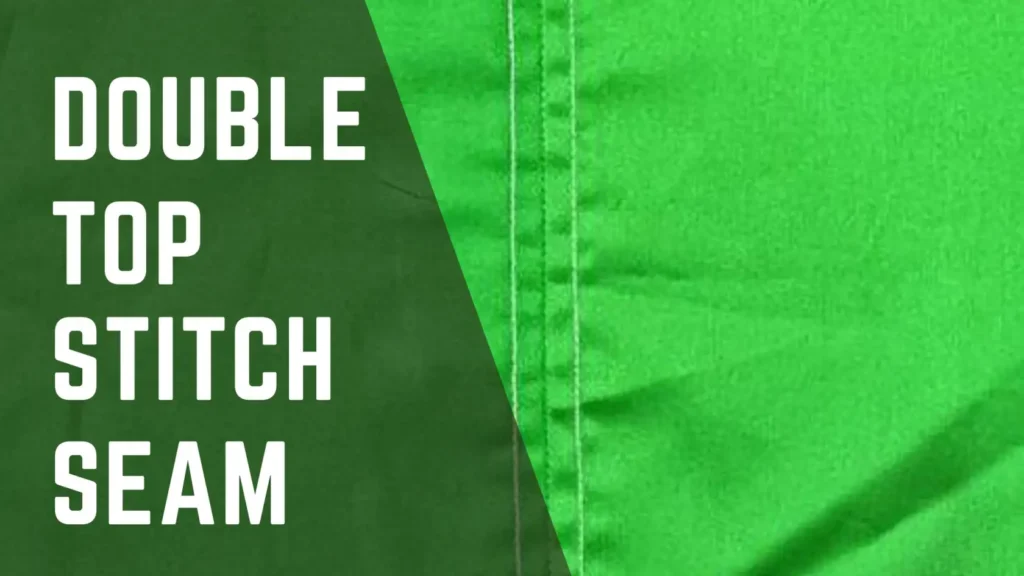
Among the different types of seams, the Double-Stitched Seam, also known as the Double Topstitched Seam, combines durability with decorative detailing. It is created by first sewing a standard seam and pressing the seam allowances open. Two parallel rows of topstitching are then sewn—one on each side of the original seam line—through the garment fabric and the seam allowances.
These additional rows of stitching help keep the seam flat, reinforce the construction, and improve the garment’s overall durability. Besides adding strength, the visible topstitching creates an attractive design element that enhances the appearance of plain fabrics. Double-stitched seams are commonly found on jeans, jackets, shirts, uniforms, bags, and other garments where both functionality and decorative stitching are desired.
Stitched and Pinked Seam
Among the different types of seams, the Stitched and Pinked Seam is a simple finishing technique that helps reduce fabric fraying while giving the seam a neat appearance. The process begins by sewing a line of stitching close to the raw edge of the seam allowance. This stitching stabilizes the fabric, minimizes raveling, and helps prevent the seam edges from curling.
After stitching, the raw edges are trimmed with pinking shears, which create a distinctive zigzag edge that slows down fraying on firmly woven fabrics. Because this method is quick, economical, and easy to sew, it is commonly used for home sewing projects as well as garment production. Although it is not suitable for fabrics that fray heavily, it provides a clean and practical finish for many everyday sewing applications.
Eased Seam
An eased seam involves drawing in or easing a longer section of a seam line on one piece of fabric to fit a corresponding shorter section on another piece. This process helps create a smooth fit without visible gathers or pleats. It is typically achieved by using a basting stitch to gather the longer piece slightly before sewing it to the shorter piece.
Applications of Ease Seam in Garment Construction:
Necklines and Elbows: Eased seams replace small darts in necklines and elbows, offering a smooth fit while controlling fullness.
Buntlines and Waistlines: These match waistlines or distribute fullness at the waist in skirts and bodices.
Back Sleeve Seams at the Elbow: Easing allows for better fit and movement around the elbow area.
Princess Line Garments: Eased seams are often employed on outward curved seams of the side front panels to ensure a flattering fit.
Shoulder Fit: Used to match the back shoulder to the front, ensuring the garment aligns correctly across the shoulder seam.
This technique is vital for controlling fit, distributing fullness, and achieving a more comfortable, streamlined appearance in various garment sections.
Gathered Seam
A gathered seam is a sewing technique used to create a bunched or ruffled effect by shortening a longer fabric strip to fit a shorter one. This is achieved by sewing two parallel lines of long stitches along the edge of the longer fabric piece and then pulling the threads to gather the fabric. The gathers are evenly distributed, creating a smooth, controlled fullness that can be incorporated into a variety of garment parts.
Application in Garment Construction:
Gathered seams are commonly used in garment construction to add volume or texture to specific areas of a garment. This technique is frequently seen in:
Skirts and Dresses: To create a flared or A-line silhouette.
Sleeves: To add puffiness or fullness to sleeve cuffs or caps.
Necklines: To gather the fabric around the neck area for decorative or fitted purposes.
Waistbands: In garments like skirts or dresses, where gathers can provide a more fitted, elasticized look.
The gathered seam is versatile in creating feminine and voluminous designs and is often used in lightweight fabrics like cotton, chiffon, or silk to enhance the garment’s structure and appeal.
Conclusion | Different Types of Seams in Sewing
Congratulations! You’ve explored the world of seams, from the basic plain seam to advanced techniques like the Hong Kong and bias-bound seams. These seam types are essential for creating strong, durable, and beautifully finished garments. Now it’s your turn to practice these techniques at home and apply them to various sewing projects, whether it’s creating delicate blouses or sturdy jeans.
But your learning doesn’t stop here! Seams are just the beginning. Dive deeper into the art of garment construction by exploring other techniques like darts, tucks, plackets and pleats. Curious about these? Don’t worry—we’ve got blog posts to guide you every step of the way. Keep sewing, keep learning, and bring your creative visions to life!
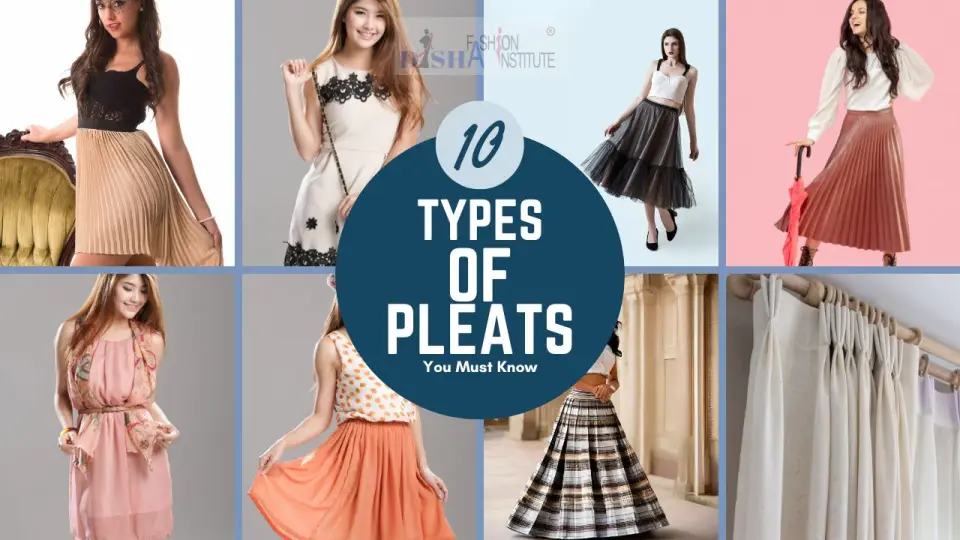
The Ultimate Guide: What Are Pleats? Exploring the Top 10 Types of Pleats in Fashion and Home Décor!
If you are interested in joining a tailoring course, you can join from anywhere in the world. We provide live online classes starting from basic tailoring courses to advanced tailoring courses.

Join Disha Fashion Institute
You can also visit our Homepage or explore our different Course pages to learn more about our programs. If you need any guidance related to courses like Basic Tailoring, Diploma in Tailoring, Fashion Designing, or other fashion-related courses, feel free to contact us. Our team will understand your requirements, skill level, and career goals to guide you toward the most suitable course that matches your learning needs. you can check our YouTube Channel we post our Institute and tutorial over there.