
Sewing Ruffles: A Guide to 14 Different Types of Ruffles
Discover the different types of ruffles, their styles, and sewing techniques to add elegance, texture, and charm to your garments and fashion projects.
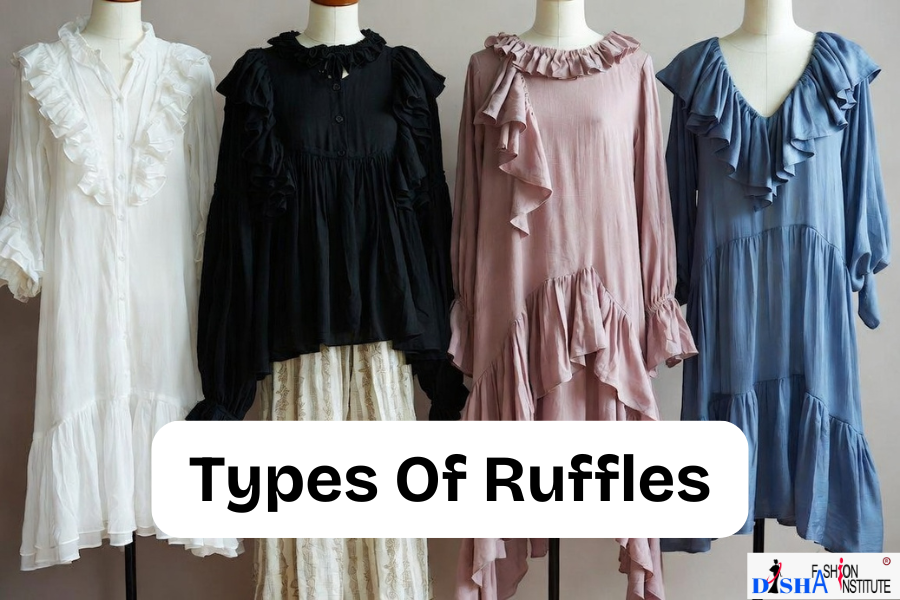
Table of Contents
There are many types of ruffles, like gathered and circle ruffles. You can make them big and fluffy or soft and elegant. Knowing how to make ruffles helps you create stunning clothes, whether you’re new or experienced.
Hand Gathering Methods
You can gather fabric by machine or hand. Machine methods are quick, while hand methods offer more control. You can gather fabric by hand, using a basting stitch or a cord.
Machine Gathering Technique Using Basting Stitch
Machine basting is one of the easiest techniques used to create different types of ruffles. Start by sewing a long basting stitch along the fabric edge with your sewing machine, using the longest stitch length available. Since these stitches are loose, you can gently pull one or both thread ends to gather the fabric evenly until you achieve the desired fullness. This method allows precise control over the gathers, making it ideal for creating soft, decorative ruffles on dresses, skirts, sleeves, home décor projects, and many other sewing designs.
Machine Gathering Technique Using a Gathering Foot
A gathering foot is a useful sewing machine attachment for creating different types of ruffles quickly and evenly. As the fabric passes through the foot, it is gently gathered during stitching, eliminating the need to sew a separate basting stitch first. You can control the fullness of the gathers by adjusting the stitch length and thread tension according to your project. This time-saving technique produces neat, consistent gathers, making it an excellent choice for ruffles on dresses, blouses, children’s clothing, curtains, and other decorative sewing projects.
Hand Folded Machine Gathering
Manually folded gathering is a simple technique for creating different types of ruffles with complete creative control. Instead of sewing a basting stitch first, the fabric is folded or gathered by hand while stitching with a sewing machine. This approach lets you adjust the size, spacing, and fullness of each fold as you sew, making every ruffle unique. It is a practical method for adding decorative texture and custom ruffle effects to garments, accessories, and home décor projects.
Single Layer Gathering
The classic gathered ruffle technique is a timeless choice for creating ruffles. It involves gathering fabric to create a textured effect. You can use a gathering foot or a ruffler attachment to make a classic gathered ruffle. These tools help gather fabric evenly. Single-layer gathering creates a delicate, airy texture. It’s great for regular ruffles, often seen in prom and wedding dresses.
Double-Layer Gathering
A Double-Layer Ruffle is a type of ruffle made by layering two pieces of fabric, one on top of the other, to create a fuller, more textured effect. The two layers are gathered or pleated and sewn together to form a thicker ruffle with added volume. This style enhances the overall fullness and gives a more dramatic, layered look, making it ideal for bold decorative accents on garments, accessories, or home décor items.
Centered Gathered Ruffle
A centered gathered ruffle is one of the most elegant types of ruffles, created by gathering a fabric strip along its center line. This technique forms soft, even ruffles on both sides of the stitching, giving a balanced and symmetrical appearance. It is widely used to add texture, dimension, and decorative detail to dresses, blouses, children’s wear, cushions, curtains, and other home décor projects. The process involves stitching through the center of the fabric strip, gently pulling the thread to create the desired fullness, and attaching the gathered strip to the base fabric.
The Centered Gathered Ruffle, often called a double-edged ruffle, is a popular style among the many types of ruffles because it creates decorative waves on both sides of the center seam. This category also includes several creative variations that differ in layering, fullness, and overall design, making it suitable for a wide range of sewing and fashion projects.
The following video provides a step-by-step guide to creating different types of ruffles using single-layer, double-layer, and centered-gathering techniques, helping beginners and experienced sewists achieve professional-looking results.
Pleated Ruffle Technique
A pleated ruffle is a decorative fabric trim created by folding a strip of fabric into pleats, which are then stitched in place. These pleats can be evenly spaced or varied in size to achieve a specific design. Pleated ruffles provide a structured and tailored look, making them ideal for adding a sophisticated touch to garments, home décor, and accessories. The precise folding of the fabric gives this type of ruffle a crisp and elegant appearance.
Square Stitched Ruffle
This ruffle is created by sewing a series of small, straight stitches in a square pattern across the fabric. After stitching, the fabric is gathered along the lines to create a puffed, square-shaped ruffle. This technique gives the fabric a structured and neat appearance.
Peak Stitched Ruffle
This ruffle is formed by sewing diagonal stitches that create a series of pointed peaks along the fabric. The fabric is then gathered to accentuate the ruffle’s sharp, pointed shape, creating a more delicate, sharp-edged look.
Curved Stitched Ruffle
As the name suggests, this ruffle is created by sewing curved lines on the fabric and then gathering it. The resulting ruffle has a smooth, flowing appearance, making it ideal for soft, elegant designs.
Zigzag Stitched Ruffle
This ruffle is made by sewing zigzag stitches along the fabric. After sewing, the fabric is gathered to enhance the zigzag shape, creating a more dynamic, textured ruffle with a playful, energetic look.
The following video demonstrates the methods of square, peak, curved and zigzag stitched ruffle techniques.
Circular or Flounce or Spiral Ruffle
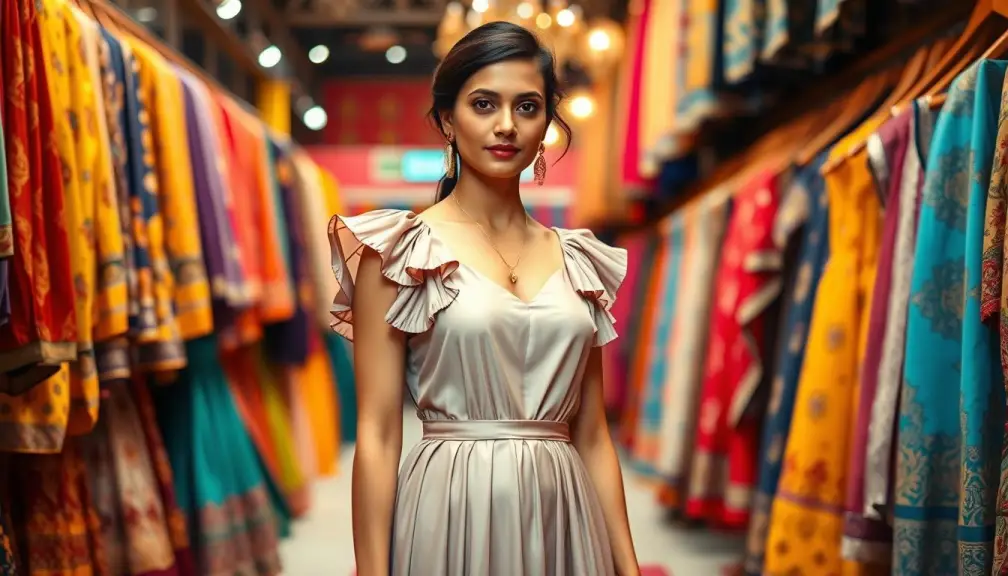
A circular or flounce ruffle is a type of ruffle that is cut from fabric in a circular or spiral shape, often resembling a doughnut or spiral curve. Unlike regular ruffles, typically made from rectangular fabric, flounce ruffles require more fabric to accommodate the full circle or curve. These ruffles naturally create frills due to the curved edges and can be attached directly to the garment without the need for gathering or pleating. However, to add extra fullness, the inner side of the circle can be gathered or pleated. Flounce ruffles tend to offer more fluidity and volume, creating a graceful, soft appearance compared to the more structured look of regular ruffles.
Pleated Ruffles
Pleated ruffles are one of the most distinctive types of ruffles, blending the crisp structure of pleats with the soft, decorative movement of ruffles. This combination creates added texture, depth, and volume, making it a popular choice for garments, costumes, accessories, and home décor. Although pleats and ruffles are sometimes discussed together, they serve different design purposes and are created using different techniques.
Key Difference:
- Pleats are carefully folded sections of fabric that are stitched or pressed to maintain a defined shape. They are commonly used to add structure, improve fit, or create decorative patterns such as knife pleats, box pleats, and accordion pleats.
- Ruffles are created by gathering or easing fabric along one edge to produce soft, flowing waves that add fullness, movement, and a decorative finish to a design.
While some sewing resources include certain pleated styles when discussing types of ruffles for simplicity, the two techniques are fundamentally different. Pleats focus on clean lines, symmetry, and structure, whereas ruffles are designed to create softness, volume, and fluid movement. Understanding this distinction helps you choose the right technique for your sewing project and achieve the desired visual effect.
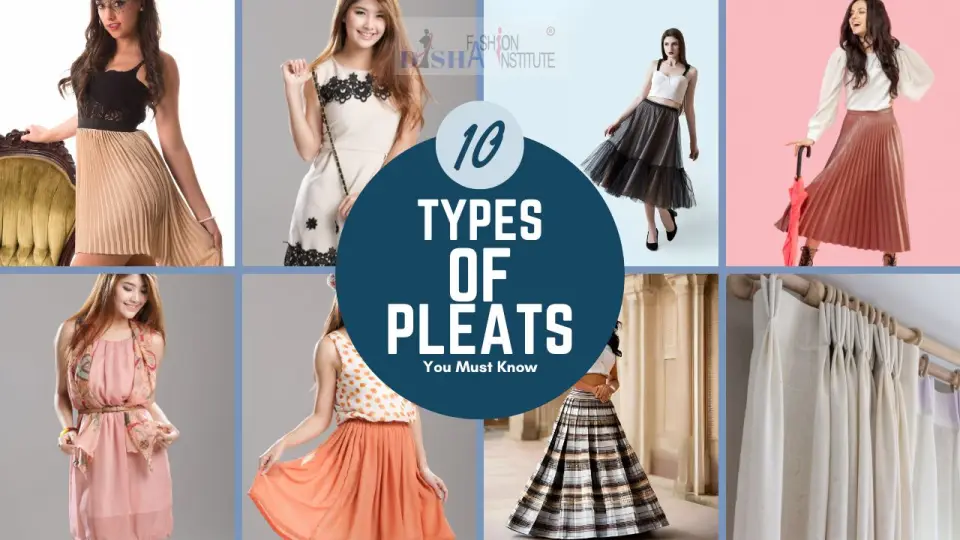
To learn more about pleat styles and their applications, explore our detailed guide on the different types of pleats below.
Conclusion
In conclusion, understanding the different types of ruffles can help you add elegance, texture, and personality to a wide range of sewing projects. From gathered and pleated ruffles to flounce and decorative variations, each style offers a unique look and serves a specific design purpose. Learning when and how to use these techniques allows you to create garments and accessories with greater creativity and professional appeal. Whether you’re designing fashionable clothing, children’s wear, or home décor items, the types of ruffles you choose can dramatically enhance the final result. With practice and experimentation, you can confidently incorporate ruffles into your projects and bring your creative ideas to life.
Join Disha Fashion Institute
You can also visit our Homepage or explore our different Course pages to learn more about our programs. If you need any guidance related to courses like Basic Tailoring, Diploma in Tailoring, Fashion Designing, or other fashion-related courses, feel free to contact us. Our team will understand your requirements, skill level, and career goals to guide you toward the most suitable course that matches your learning needs. you can check our YouTube Channel we post our Institute and tutorial over there.