
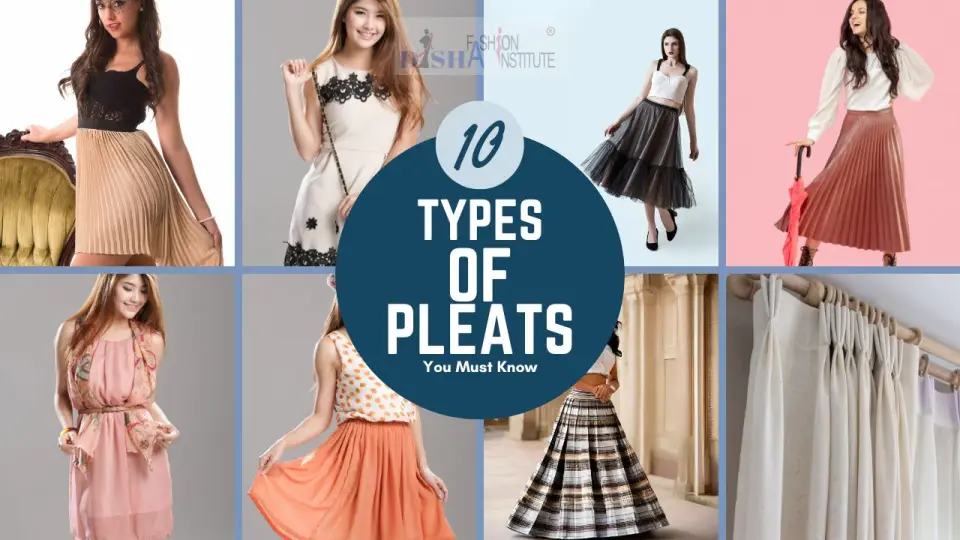
Learn what pleats are and explore the different types of pleats used in fashion and home décor with examples, styles, and practical sewing tips.
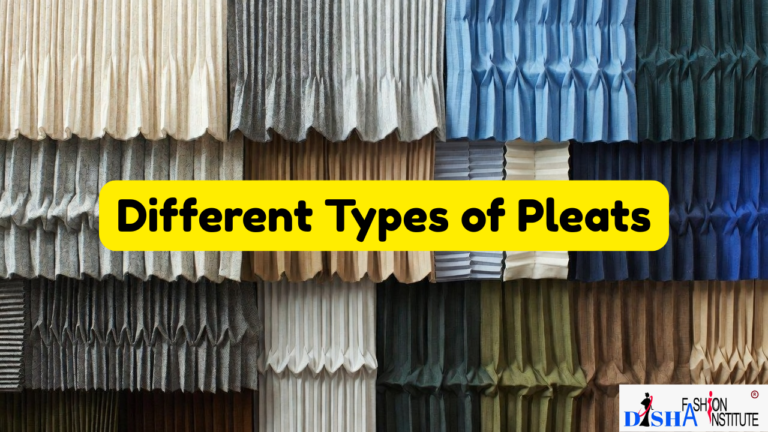
What are Pleats in Clothing?
Pleats are carefully created folds in fabric that add structure, shape, and elegance to a garment. They are widely used in fashion to control fullness, improve fit, and create attractive design details while allowing garments to move comfortably. From classic skirts and dresses to modern tops, trousers, and uniforms, pleats enhance both the appearance and functionality of clothing. Understanding the different types of pleats helps designers, sewing enthusiasts, and fashion students choose the most suitable pleating style for each project.
In this comprehensive guide, we will explore the different types of pleats, their unique characteristics, popular applications, and the techniques used to create them. Whether you are a beginner learning garment construction or an experienced fashion designer looking to refine your skills, this article will help you understand how different pleats can transform the look, fit, and style of a garment.
Table of Contents
Why are Pleats Used in Clothing?
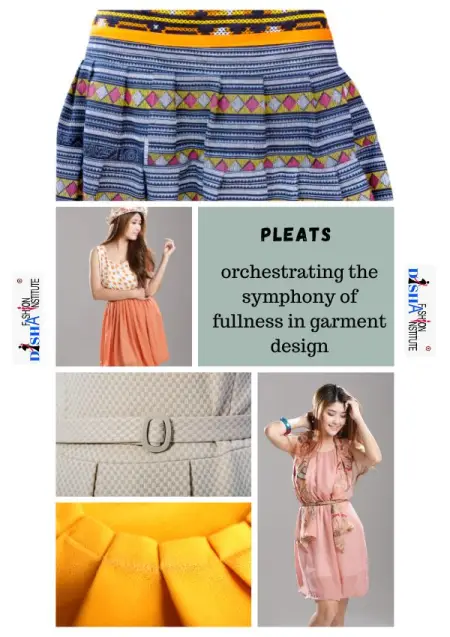
To better understand the importance of the different types of pleats, it’s essential to know why pleats are widely used in garment construction and fashion design. Beyond their decorative appeal, pleats improve the fit, comfort, and functionality of clothing while giving garments a polished, professional appearance. Here are some of the key benefits of using different types of pleats:
- Enhanced Aesthetics: Different types of pleats add depth, texture, and elegance to garments, creating eye-catching designs that enhance the overall visual appeal of dresses, skirts, trousers, and tops.
- Adds Fullness and Volume: Pleats introduce extra fabric in a controlled way, giving garments a fuller appearance while maintaining a neat and structured look. This creates beautiful movement without adding unnecessary bulk.
- Improves Garment Shape: Pleats help define the silhouette by providing structure and shaping specific areas of a garment. They improve the overall fit while adding stylish design details.
- Greater Comfort and Freedom of Movement: Many pleat styles increase flexibility, allowing garments to expand naturally during movement. This makes clothing more comfortable for walking, sitting, bending, and everyday wear.
Different Types of Pleats
Knife pleats
Knife pleats are a stylish alternative to gathers, ranging from 1/2″ to 2″ in width. These pleats lay flat and uniformly fold in a single direction, either towards the outer side of the dress, be it on the right or left. Found commonly in skirts and on the shoulders of tops, creating a knife pleat involves stitching 21⁄2 cm at the bottom, leaving the remaining part untouched, and then pressing it.
This types of pleats are characterized by its narrow and even folds, all folding consistently in one direction, forming a captivating zig-zag pattern. This unique configuration not only adds flair but also allows the fabric to move freely, maintaining a smooth silhouette without any unwanted bunching or gathering.
Notably, skirts or pants adorned with knife pleats can introduce considerable volume, so achieving a balanced look is key. Pairing them with a fitted top, tucked blouse, or snug sweater can create a harmonious and proportionate appearance, ensuring you showcase the elegance of knife pleats without overwhelming your outfit.
How to Sew Knife Pleats?
Box Pleats
Box pleats are types of pleats that are of a distinctive type, formed on the right side of the fabric, elegantly folded outwards and away from each other—one on the left-hand side and the other on the right-hand side. Resembling a box, these pleats are aptly named box pleats. Widely utilized in shirts, skirts, jackets, and children’s clothing. The creation of a box pleat involves carefully selecting a specific amount of fabric, followed by marking and then folding and stitching along its length.
To bring a box pleat to life, a temporary stitch is initially applied to the section of the pleat that needs folding to prevent it from opening prematurely. Subsequently, a permanent stitch is added, and the temporary one is skillfully opened, resulting in the distinctive box-like shape formed by two wide pleats folded in opposite directions.
Box pleats are renowned for their ability to impart a full and voluminous appearance, making them a popular choice for both formal and casual attire. Additionally, they contribute to the overall structure of a garment, enhancing comfort. This pleat variety frequently graces the hemlines of skirts, the contours of dresses, and the uniformity of school attire.
When it comes to styling box pleats, a cinched waist with a belt adds a touch of flair. Optimal proportions can be achieved by pairing box pleats with classic elements, such as a well-tailored blouse, creating a timeless and sophisticated ensemble.
How Do You Sew Box Pleats?
Inverted Box Pleats
Inverted box pleats are kind of like the opposite of regular box pleats. Instead of the pleats folding away from each other, they come together with their edges meeting. It’s like turning a box pleat upside down. This gives a different look because the fabric is folded in the opposite way.
The cool thing about inverted box pleats is that they quietly manage extra fabric, making clothes comfy and looking good. They’re often used in uniforms and kids’ skirts, making them practical and a bit fancy at the same time. So, inverted box pleats are a neat choice when you want clothes that are both comfy and stylish.
How to Sew Inverted Box Pleats?
Accordion Pleats
Accordion pleats mimic the folds of a musical accordion—thin, straight, and consistently the same width, usually ranging from 3 to 13 mm. These pleats sit closely side by side, forming a tidy and even appearance. Unlike some pleats, accordion pleats don’t have stitches at the bottom.
They’re not just a pretty detail; accordion pleats bring a stylish touch to skirts, sleeve designs, and more. They are often crafted in fabrics known for their permanent press, ensuring the pleats extend seamlessly from the top down to the hem of the skirt. These pleats are specially sewn to stretch or compress while maintaining their shape.
This unique sewing technique allows the garment to move harmoniously with the body, resulting in a distinct and flattering silhouette. So, accordion pleats not only look good but also add a practical element to clothing by allowing comfortable and flexible movement.
How to Sew Accordion Pleats?
Meet Pleats
It’s called a meet pleat when inverted pleats come together on the right side after stitching. Meet pleats are commonly found in pants, shorts, skirts, shirts, and more.
How to Sew Meet Pleats?
Sunburst Pleats or Sunray Pleats
Sunburst pleats are one of the most elegant different types of pleats, featuring folds that gradually spread outward from the waist to create a beautiful fan-like pattern. They are most commonly used in circular skirts, dresses, and flowing garments, where the pleats radiate from a central point to produce a striking sunburst effect. These pleats are carefully pressed and stitched at an angle, giving the fabric a graceful, curved appearance that enhances the overall design.
One of the most appealing features of sunburst pleats is their fluid movement. As the wearer walks or turns, the pleats expand and flow naturally, creating a flattering silhouette with added elegance and dimension. This makes them an excellent choice for garments that require softness, movement, and a sophisticated finish.
Among the different types of pleats, sunray pleats are a popular variation of sunburst pleats. They allow the fabric to be shaped into a variety of textures and flowing patterns, giving designers greater creative freedom. Whether used in skirts, gowns, or contemporary fashion pieces, sunburst pleats add style, depth, and graceful movement, making them a timeless choice in garment design.
How to Make Sunray Pleats?
Kick Pleats
A kick pleat is a short pleat at the bottom of a skirt or pair of pants. This type of pleat is strategically incorporated to facilitate ease of movement, particularly during activities like walking. The unique feature of kick pleats lies in their dynamic functionality. As you walk, these pleats open up, enabling the fabric to move gracefully and accommodating the natural motion of the legs without constriction.
Why are kick pleats named after ‘Kick’?
Kick pleats are one of the most practical different types of pleats, designed to improve comfort and ease of movement without affecting the garment’s elegant appearance. The name “kick pleat” comes from the way the pleat opens when the wearer takes a step or kicks a leg forward, providing extra space for natural movement. This feature is commonly found in skirts, dresses, coats, and tailored garments where flexibility is important.
When the wearer is standing still, the kick pleat remains neatly closed, preserving a clean, structured, and professional look. As the wearer walks, the pleat opens smoothly to allow greater freedom of movement before returning to its original position. Among the different types of pleats, kick pleats are valued for combining functionality with style, making them an ideal choice for garments that require both comfort and a refined silhouette.
How to Sew Kick Pleats?
Did you ask how many types of curtain pleats exist? The following 3 types of pleats i.e., Cartridge pleats, Goblet pleats, and Pinch pleats, are mainly used in curtains. But there exist many other different types of curtain pleats. It is another world to explore. I will make a separate blog post on various types of curtain pleats and how to sew them.
Cartridge Pleats
These pleats are named after the resemblance of their gathered folds to the chambers of a cartridge, like those used in historical firearms. Cartridge pleats are characterized by their fullness and the way they are attached to a waistband or another fabric edge.
Uses of Cartridge Pleats
Historical GarmentsCartridge pleats have a historical connotation and are often associated with period clothing, particularly from the 16th to 19th centuries.
Drapery and CurtainsIn addition to clothing, cartridge pleats are also utilized in home decor, especially in the creation of drapery and curtains. They add a touch of elegance and can be adjusted to control the amount of fabric gathered.
How to Make Cartridge Pleated Curtains?
How to Sew Cartridge Pleats for Garments?
Goblet Pleats
These pleats derive their name from their resemblance to the shape of a goblet or wine glass when viewed from the side. These types of pleats are mainly used in interior designs like curtains. A Goblet pleat is a distinctive style of drapery heading known for its opulent and voluminous appearance, setting it apart from other pleat varieties. Particularly well-suited for weightier fabrics like velvet, brocade, and leather, Goblet pleats add a touch of luxury and sophistication to window treatments and curtains.
The creation of this drapery involves skillfully taking strips of fabric from the top edge of the drape and delicately pinching them together to form a distinctive goblet shape. This unique folding technique not only enhances the richness of the fabric but also provides an elegant and structured look to the overall window dressing. Goblet pleats are a superb choice when aiming for a lavish and refined ambience in interior decor, especially in spaces where a more sumptuous aesthetic is desired.
How to Sew Goblet Pleats?
Pinch Pleats
Pinch pleats, commonly employed in curtain design, involve the creation of three small, equal pleats on the upper edge. These initial pleats are temporarily stitched together, followed by the formation of an additional three pleats in the downward direction, secured with permanent stitching.
The term “pinch” in “pinch pleats” refers to the way the fabric is gathered and pinched together to create the pleats.
Pinch pleats come in various types, determined by the number of pleats gathered together. We’ve discussed the triple-pinch pleat curtain earlier, and there are also single-pinch and double-pinch pleat variations.
How to Sew Pinch Pleats?
Conclusion: Unraveling the Artistry of Different Types of Pleats
In this guide, we’ve explored the fascinating world of the different types of pleats and their importance in garment construction and fashion design. From classic Knife Pleats and structured Box Pleats to elegant Sunburst Pleats and many other styles, each pleat offers unique characteristics that enhance a garment’s appearance, fit, and movement. Understanding the different types of pleats enables fashion designers, sewing enthusiasts, and beginners to choose the right technique for creating stylish and functional garments.
As you continue developing your sewing skills, don’t stop here. Explore our guides on different types of darts and different types of plackets to gain a deeper understanding of garment construction and professional tailoring techniques. Together, these essential sewing elements will help you create well-fitted, beautifully finished garments.
Now it’s your turn to put these techniques into practice. Experiment with different fabrics, try various pleating methods, and combine multiple pleat styles to create your own unique designs. We’d love to hear about your experience—share your thoughts, tips, or photos of your finished projects in the comments below. Happy sewing!
Join Disha Fashion Institute
You can also visit our Homepage or explore our different Course pages to learn more about our programs. If you need any guidance related to courses like Basic Tailoring, Diploma in Tailoring, Fashion Designing, or other fashion-related courses, feel free to contact us. Our team will understand your requirements, skill level, and career goals to guide you toward the most suitable course that matches your learning needs. you can check our YouTube Channel we post our Institute and tutorial over there.