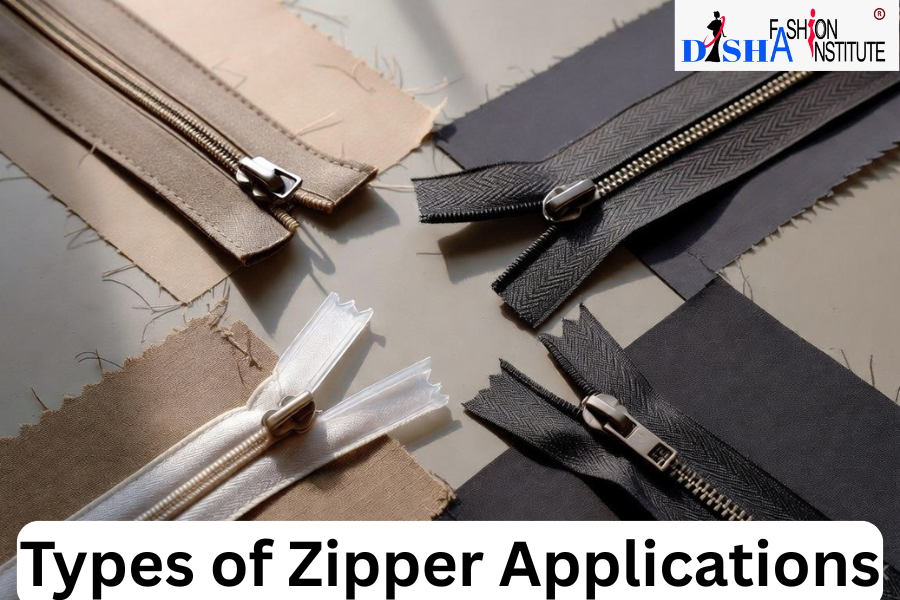
Types of Zipper Applications
Zippers are one of the most important fasteners used in garment construction. They help garments open and close easily while also improving fit and comfort. Understanding the Types of Zipper Applications is essential for tailoring students, fashion designers, and anyone learning sewing.
Different zipper applications are used for different purposes. Some are designed to remain hidden, while others are meant to be visible as part of the garment’s design. Choosing the correct zipper application can make a garment look neat, professional, and durable.
What Are Zipper Applications?
A zipper application refers to the method used to attach a zipper to a garment or fabric item. It is different from the zipper itself. For example, a zipper may be a nylon coil zipper, metal zipper, or plastic zipper, but the application describes how it is sewn into the garment.
Common zipper applications are used in:
- Dresses
- Skirts
- Trousers
- Blouses
- Jackets
- Bags
- Cushions and home décor items
Learning different types of zipper applications helps you select the most suitable finish for each project.
Different Types of Zipper Applications
Centered Zipper Application
A centered zipper application is on
e of the easiest methods for beginners. The zipper is placed directly under the seam opening, and an equal amount of fabric is visible on both sides.
Best For
- Skirts
- Simple dresses
- Children’s garments
- Practice sewing projects
Advantages
- Easy to sew
- Symmetrical appearance
- Suitable for beginners
- Strong and durable
This method is commonly taught in basic tailoring courses because it helps students learn accurate zipper alignment.
Lapped Zipper Application
In a lapped zipper application, one side of the fabric overlaps the zipper, so the zipper is only partially visible from the outside.
Best For
- Trousers
- Pencil skirts
- Traditional tailored garments
- Side openings in dresses
Advantages
- Cleaner appearance than a centered zipper
- Provides extra coverage
- Gives a more professional tailored finish
This is a popular choice for garments that require a slightly concealed closure.
Invisible Zipper Application
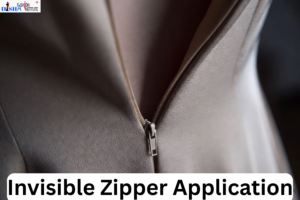
An invisible zipper application hides the zipper teeth completely inside the seam. When sewn correctly, only the zipper pull is visible.
Best For
- Party dresses
- Evening gowns
- Kurtis and blouses
- Fitted garments
Advantages
- Elegant and professional finish
- Maintains the smooth appearance of the garment
- Ideal for lightweight and medium-weight fabrics
Because of its neat finish, the invisible zipper application is widely used in modern fashion designing.
Exposed Zipper Application
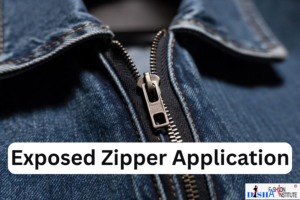
An exposed zipper application leaves the zipper fully visible on the outside of the garment. Instead of hiding the zipper, it becomes a decorative design element.
Best For
- Denim jackets
- Jeans
- Hoodies
- Fashion tops
- Contemporary designer garments
Advantages
- Stylish and modern look
- Adds visual interest
- Easy to access and operate
- Works well with metal or contrast-color zippers
This application is often chosen when the zipper is intended to enhance the garment’s overall style.
Decorative Zipper Application
A decorative zipper application is used for both function and decoration. The zipper may be placed in unusual positions or used with contrasting colors, metallic teeth, or decorative pulls.
Best For
- Designer dresses
- Handbags
- Backpacks
- Fashion accessories
- Creative sewing projects
Advantages
- Enhances the design
- Creates a unique fashion statement
- Combines practicality with decoration
Fashion designers frequently experiment with decorative zipper placements to create innovative garment details.
How to Choose the Right Zipper Application
Selecting the correct zipper application depends on several factors.
Fabric Type
- Lightweight fabrics: Invisible zipper
- Medium-weight fabrics: Centered or lapped zipper
- Heavy fabrics: Exposed or sturdy centered zipper
Garment Style
- Formal garments: Invisible zipper
- Tailored garments: Lapped zipper
- Casual garments: Centered zipper
- Fashion-forward garments: Exposed or decorative zipper
Visibility Requirement
Ask yourself whether the zipper should be:
- Completely hidden
- Partially hidden
- Fully visible as a design feature
The answer will help you choose the most suitable application method.
Quick Comparison of Zipper Applications
| Zipper Application | Visibility | Common Use |
|---|
| Centered | Visible | Skirts, simple dresses |
| Lapped | Partially hidden | Trousers, tailored skirts |
| Invisible | Hidden | Dresses, gowns, blouses |
| Exposed | Fully visible | Jackets, jeans, hoodies |
| Decorative | Visible | Designer garments, bags |
This comparison makes it easier to understand the Types of Zipper Applications used in sewing and garment construction.
Common Mistakes to Avoid
Using the Wrong Zipper Length
A zipper that is too short or too long can affect both appearance and functionality.
Uneven Stitching
Uneven stitching may cause the zipper to look crooked or create puckering around the seam.
Poor Seam Alignment
Always match seam lines carefully before sewing the zipper in place.
Choosing a Heavy Zipper for Lightweight Fabric
A bulky zipper can distort delicate fabrics and create an uneven finish.
Avoiding these mistakes will help you achieve a cleaner and more professional result.
Tips for Professional Zipper Sewing
- Press the fabric before inserting the zipper.
- Use a zipper foot for accurate stitching.
- Baste the zipper in place before final sewing.
- Stitch slowly near the zipper teeth.
- Press the finished zipper area lightly for a crisp appearance.
These simple techniques can significantly improve the quality of your zipper applications.
Why Tailoring Students Should Learn All Zipper Applications
For fashion designing and tailoring students, learning only one zipper method is not enough. Different garments require different finishes, and professional garment construction depends on selecting the correct technique.
By practicing centered, lapped, invisible, exposed, and decorative zipper applications, students develop:
- Better sewing accuracy
- Improved garment finishing skills
- Greater confidence in advanced projects
- Professional tailoring standards
This knowledge is especially useful for students preparing for dress designing, blouse stitching, and advanced tailoring courses.
Conclusion
Understanding the Types of Zipper Applications is an essential part of sewing and garment construction. Each application serves a different purpose, from the beginner-friendly centered zipper application to the elegant invisible zipper application and the stylish exposed zipper application.
Choosing the right zipper method improves the garment’s appearance, comfort, and durability. Whether you are sewing a simple skirt, a fitted dress, a pair of trousers, or a fashionable jacket, knowing these different types of zipper applications will help you create garments with a neat, professional, and long-lasting finish.
Mastering the Types of Zipper Applications is a valuable skill for every sewing enthusiast, tailoring student, and fashion designer who wants to produce high-quality garments with beautiful finishing details.
Join Disha Fashion Institute
You can also visit our Homepage or explore our different Course pages to learn more about our programs. If you need any guidance related to courses like Basic Tailoring, Diploma in Tailoring, Fashion Designing, or other fashion-related courses, feel free to contact us. Our team will understand your requirements, skill level, and career goals to guide you toward the most suitable course that matches your learning needs. you can check our YouTube Channel we post our Institute and tutorial over there.