
Exploring 15 Different Types of Darts Sewing for Perfect Garment Sculpting
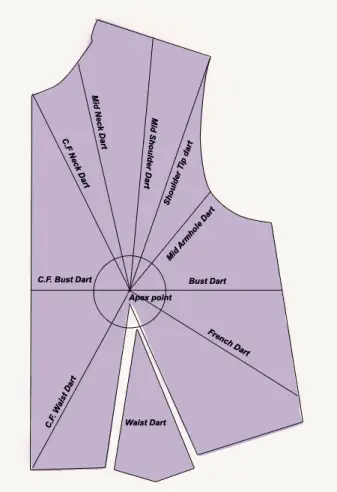
Table of Contents
Single-Pointed Dart or Standard Dart
Among the various types of darts sewing techniques, the single-point dart is one of the most commonly used because of its simplicity and effectiveness. It begins wide at one end and gradually narrows to a single point, helping remove excess fabric while giving the garment a smooth, shaped fit. This dart is ideal for creating gentle curves that follow the body’s natural contours without adding unnecessary bulk. Depending on the garment style, it is usually positioned at the bust, waist, or back to improve both comfort and appearance. Understanding types of darts sewing allows designers and tailors to choose the right dart placement, resulting in garments that fit better, look more professional, and provide a flattering silhouette for different body shapes.
Uses of Single-Pointed Dart: Standard darts usually start at or near a seam line, such as the side seam or waistline. The dart base extends from the seamline, and the dart legs are stitched together from this base to shape the fabric up to the apex point.
Single-pointed darts have other names, such as Bust Darts (When sewed around the bust area, providing a more contoured fit), Waist Darts (found in skirts, pants, and dresses where shaping around the natural waistline is necessary for a definite waist look), Back darts (Sometimes sewed at the back to improve the overall fit) and many more.
Bust Darts
A bust dart is one of the most important types of darts sewing uses to shape the fabric around the bust area and create a comfortable, well-fitted garment. It is formed by stitching two dart legs together, usually beginning near the side seam or armhole and tapering toward the bust point without reaching it directly. The final dart point stops a short distance before the bust apex to ensure a smooth and natural fit. The size and length of a bust dart are adjusted according to the wearer’s bust measurement, with fuller busts requiring longer or deeper darts to achieve proper shaping and balance in the finished garment.
How to put bust darts in a dress?
Waist Darts
A waist dart is a shaping feature that helps define the waistline and gives a garment a more tailored appearance. Among the different types of darts sewing, this dart is commonly stitched from the waistline and gradually tapers upward toward the bust area, stopping before the bust apex to maintain a smooth finish. Its primary purpose is to remove excess fabric around the waist, allowing the garment to fit the body’s natural curves more accurately. The length, width, and position of a waist dart may vary depending on the garment style, fabric, pattern, and the desired fit, ensuring both comfort and a flattering silhouette.
French Darts
A French dart is a long, elegant dart that creates smooth shaping across the bodice by combining the functions of both a bust dart and a waist dart. In the study of types of darts sewing, it is valued for producing a streamlined fit without the need for multiple separate darts. This dart usually begins along the side seam near the waist and angles upward toward the bust, stopping just before the bust point for a natural contour. Because of its extended length, a French dart distributes shaping more evenly across the fabric, resulting in a flattering silhouette and a visually elongated torso. It is widely used in dresses, blouses, and fitted tops where a clean, graceful appearance is desired.
Uses of French Dart: French darts are commonly used in blouses and shirts, i.e. the upper garments with a more tailored or fitted bodice. They enhance the overall fit and add a touch of elegance to the garment.
Middle Shoulder Dart
A mid-shoulder dart is designed to shape the upper bodice by starting at the center of the shoulder seam and tapering toward the bust area without reaching the bust apex. Among the various types of darts sewing, this dart helps achieve a smooth, contoured fit across the chest while maintaining the garment’s overall balance. The length, angle, and placement of the dart are determined by the garment pattern, fabric, and desired silhouette. Mid-shoulder darts are commonly found in fitted dresses, corsets, formal tops, and other garments that require precise shaping for a polished and elegant appearance.
Shoulder-Tip Dart
A shoulder-tip dart begins at the outer edge of the shoulder seam and extends diagonally toward the bust area, ending just before the bust apex to create natural shaping. Among the different types of darts sewing, this dart is used to improve the fit of the upper bodice while maintaining a clean and structured silhouette. Its diagonal placement helps distribute fullness evenly across the fabric, giving the shoulder area a longer, more refined appearance. Shoulder-tip darts are commonly used in tailored blouses, dresses, jackets, and formal garments where a precise fit and elegant finish are essential.
Mid-Neck Dart
A mid-neck dart begins at the neckline of the bodice and extends toward the bust area to improve the garment’s fit around the upper chest. Among the various types of darts sewing, this dart is often chosen to create subtle shaping while enhancing the overall design of the neckline. In addition to its functional purpose, a mid-neck dart can also serve as a decorative design element, adding style and visual interest to dresses, blouses, and other fitted garments. Its placement and length are adjusted according to the garment pattern and the desired look.
Center-Front Neck Dart
A center-neck dart is a variation of the neck dart that begins at the middle of the front neckline and extends diagonally toward the bust area, stopping just before the bust apex. Among the different types of darts sewing, this dart is used to improve the garment’s fit while adding subtle shaping to the upper bodice. Its unique placement also makes it a popular design feature, as it can enhance the neckline and create an elegant visual effect. Center-neck darts are commonly seen in dresses, blouses, and other fitted garments where both style and precise shaping are equally important.
Center-Front Bust Dart
A center-front bust dart is a variation of the traditional bust dart that begins near the center front of the bodice and extends toward the bust area to create gentle shaping. Among the different types of darts sewing, this dart is especially useful for blouses and fitted tops because it distributes fullness evenly, resulting in a smooth and natural-looking silhouette. Its placement enhances both comfort and appearance while maintaining the garment’s overall balance. Designers often use a center-front bust dart when they want a clean, flattering fit without compromising the style of the garment.
Center-Front Waist Dart
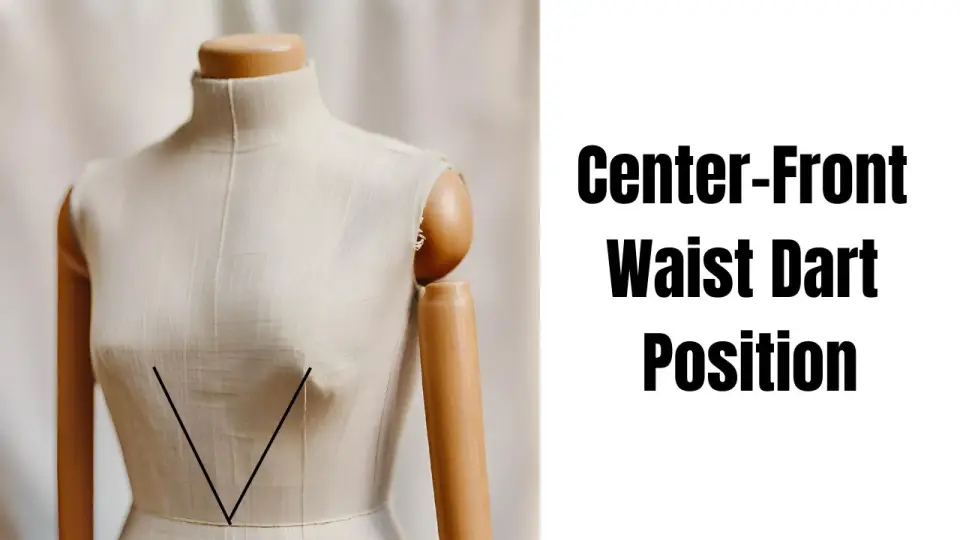
A center-front waist dart is a modified version of the standard waist dart that begins at the middle of the front waistline and extends upward toward the bust area. Among the various types of darts sewing, this dart is used to create a slimmer, more elongated appearance while improving the garment’s overall fit. Its extended length allows for gradual shaping, giving the bodice a smooth and balanced contour. Center-front waist darts are commonly used in dresses, blouses, and fitted garments where a refined silhouette and enhanced waist definition are desired.
Mid-Armhole Dart
An armhole dart begins at the middle of the armhole and extends toward the bust area, stopping just before the bust apex to create smooth shaping. Among the different types of darts sewing, this dart is widely used to improve the fit of the upper bodice by removing excess fabric around the chest. It helps the garment follow the body’s natural curves while providing a neat, tailored appearance. Armhole darts are commonly found in fitted blouses, dresses, and tops where comfort, structure, and a polished finish are important.
Elbow Dart
An elbow dart is placed around the elbow section of a sleeve to create a closer, more comfortable fit while allowing natural arm movement. Among the different types of darts sewing, this dart is less commonly used but plays an important role in tailored garments that require structured sleeves. By shaping the fabric around the bend of the arm, it improves both the appearance and functionality of the sleeve. Elbow darts are frequently found in formal blazers, fitted jackets, coats, and elegant gowns where a refined, professional finish is desired.
Curved Dart
A curved dart is designed with a gentle curve instead of straight dart legs, allowing the fabric to follow the body’s natural contours more smoothly. Among the different types of darts sewing, this dart is ideal for garments that require soft, flowing shaping rather than sharp angles. It helps create a comfortable fit while maintaining an elegant silhouette, making it a popular choice for tops, dresses, skirts, and trousers. Curved darts distribute fullness gradually, resulting in a refined appearance and improved garment balance without compromising comfort or style.
Double Pointed Darts
A double-pointed dart, also known as a fish-eye dart, is designed with two tapered ends connected by a wider center section, creating a shape similar to a diamond. Among the various types of darts sewing, this dart is widely used to shape garments at both the waist and bust or hip areas using a single continuous dart. It is commonly positioned along the center front or center back of dresses, jackets, and fitted garments to achieve a smooth, body-contouring fit. In addition to improving the garment’s structure, a double-pointed dart can also enhance the overall design by adding clean lines and a polished, professional appearance. Its balanced shaping makes it an excellent choice for garments that require a close-fitting yet comfortable silhouette.
Dart Tucks
Although this dart is drafted in the shape of a double-pointed dart, it is not stitched in the traditional way. Only one half of the dart is sewn, while the remaining half is intentionally left open. This technique creates soft pleats that add extra fullness and a decorative touch to the garment. Among the various types of darts sewing, this style is often chosen to combine shaping with an elegant pleated effect, making the design both functional and visually appealing.
Conclusion
Mastering different dart techniques is an essential step toward creating garments that fit beautifully and look professionally finished. Every dart style serves a specific purpose, whether it is enhancing the shape, adding fullness, or creating unique design details. By learning when and how to use each technique, you can improve both the comfort and appearance of your sewing projects.
Exploring these types of darts sewing will help you build stronger garment-making skills while giving you the confidence to experiment with different designs. With regular practice, you’ll be able to achieve cleaner finishes, better fitting clothes, and more creative fashion pieces. Keep practicing, enjoy the learning process, and let every stitch bring your ideas to life.
Join Disha Fashion Institute
You can also visit our Homepage or explore our different Course pages to learn more about our programs. If you need any guidance related to courses like Basic Tailoring, Diploma in Tailoring, Fashion Designing, or other fashion-related courses, feel free to contact us. Our team will understand your requirements, skill level, and career goals to guide you toward the most suitable course that matches your learning needs. you can check our YouTube Channel we post our Institute and tutorial over there.