
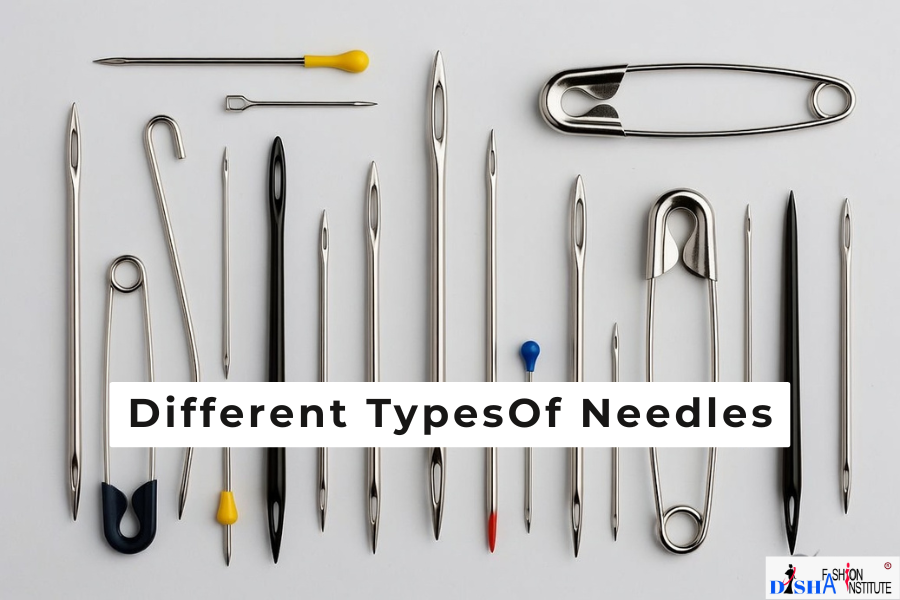
Different Types of Needles: A Complete Beginner's Guide to Sewing
Choosing the right needle may seem like a small detail, but it can make a huge difference in the quality of your sewing projects. Whether you’re stitching delicate silk, thick denim, stretchy knit fabric, or decorative embroidery, every fabric requires a needle designed for that specific purpose. Using the wrong needle can lead to skipped stitches, broken threads, damaged fabric, or even a broken sewing machine needle.
Understanding the different types of needles is one of the first skills every beginner should learn. A suitable needle not only creates neat and professional-looking stitches but also protects your fabric and improves your overall sewing experience. As your sewing skills grow, knowing which needle to choose for each project becomes an essential part of achieving better results.
In this guide, you’ll learn about the types of sewing machine needles, the types of sewing needles used for hand sewing, how each needle works, and practical tips for selecting the right one. Whether you’re just starting your sewing journey or looking to improve your skills, this guide will help you sew with greater confidence.
Different Types of Needles Used in Sewing
Needles are generally divided into two main categories:
- Sewing machine needles – Designed specifically for use in sewing machines.
- Hand sewing needles – Used for stitching by hand, embroidery, repairs, and decorative work.
Although both serve the same basic purpose of joining fabric with thread, they differ in shape, construction, eye size, tip design, and intended use. Choosing the correct needle depends on several factors, including the fabric type, thread thickness, and the sewing technique you plan to use.
Let’s explore each category in detail.
Types of Sewing Machine Needles
Different sewing projects require different sewing machine needles. Each needle is engineered to work with specific fabrics, helping you achieve smooth, even stitches while minimizing fabric damage.
Universal Needle
The Universal Needle is the most commonly used sewing machine needle and is an excellent choice for beginners. It features a slightly rounded tip that allows it to work well on both woven and knit fabrics.
Best for:
- Cotton
- Polyester
- Linen
- Blended fabrics
If you’re unsure which needle to use, a universal needle is often a safe starting point for everyday sewing projects.
Ballpoint Needle
A Ballpoint Needle has a rounded tip that gently slides between the fibers of knit fabrics instead of piercing them. This design helps prevent holes, snags, and skipped stitches.
Best for:
- Jersey
- Rib knit
- Interlock
- Stretch knit fabrics
This needle is ideal when sewing T-shirts, leggings, baby clothes, and other knit garments.
Stretch Needle
Although similar to a ballpoint needle, a Stretch Needle has a specially designed eye and scarf that reduce skipped stitches on highly elastic fabrics.
Best for:
- Lycra
- Spandex
- Swimwear
- Sportswear
- Performance fabrics
Using a stretch needle helps maintain strong and flexible seams even when the fabric is stretched repeatedly.
Jeans (Denim) Needle
Denim fabrics are tightly woven and much thicker than regular cotton fabrics. A Jeans Needle features a reinforced shaft and a sharp point that easily penetrates multiple fabric layers without bending.
Best for:
- Denim
- Canvas
- Twill
- Heavy cotton
This needle is commonly used for jeans, jackets, bags, aprons, and upholstery projects.
Leather Needle
Unlike standard sewing needles, a Leather Needle has a wedge-shaped cutting point that slices through leather instead of pushing the material apart.
Best for:
- Genuine leather
- Artificial leather
- Suede
- Vinyl
It creates clean holes while reducing the risk of tearing thick materials.
Embroidery Needle
Embroidery needles are designed with a larger eye that allows decorative threads to pass through smoothly without excessive friction.
Best for:
- Machine embroidery
- Decorative stitching
- Rayon thread
- Metallic thread
These needles help create beautiful embroidery designs while reducing thread breakage.
Quilting Needle
A Quilting Needle features a slim shaft and a tapered point, making it easier to sew through multiple fabric layers with precision.
Best for:
- Quilts
- Patchwork
- Layered cotton fabrics
Its design produces clean stitches even when working with batting and multiple fabric layers.
If you’re unsure which needle to use, a universal needle is often a safe starting point for everyday sewing projects.
If you’re unsure which needle to use, a universal needle is often a safe starting point for everyday sewing projects.
Types of Sewing Needles
While sewing machines make stitching faster and more efficient, hand sewing remains an essential skill for repairs, finishing touches, embroidery, and detailed craftsmanship. Just like machine needles, hand sewing needles come in various shapes and sizes, each designed for a specific purpose. Understanding the types of sewing needles will help you achieve cleaner stitches and make your sewing tasks easier.
Sharps Needle
Sharps are the most versatile hand sewing needles. They have a medium-length shaft, a sharp point, and a small eye, making them suitable for a wide range of everyday sewing tasks.
Best for:
- General hand sewing
- Cotton and linen fabrics
- Clothing repairs
- Basic stitching projects
If you’re new to hand sewing, a set of sharps is a great place to start.
Embroidery (Crewel) Needle
Embroidery needles are similar to sharps but feature a larger eye. This allows thicker embroidery threads to pass through smoothly without fraying.
Best for:
- Hand embroidery
- Decorative stitching
- Cross-stitch details
- Thread painting
They work well with cotton embroidery floss, silk thread, and other decorative threads.
Darning Needle
Darning needles are longer than standard sewing needles and have a larger eye. Their length makes it easier to weave through fabric when repairing worn or damaged garments.
Best for:
- Repairing socks
- Fixing knitted garments
- Weaving loose threads
- Fabric mending
These needles are commonly used for extending the life of clothing instead of replacing it.
Tapestry Needle
Unlike most sewing needles, tapestry needles have a blunt tip. Instead of piercing the fabric, they pass between the weave, making them ideal for counted-thread embroidery.
Best for:
- Cross-stitch
- Needlepoint
- Canvas work
- Decorative embroidery
The blunt point helps prevent damage to woven threads.
Beading Needle
Beading needles are extremely thin and flexible, allowing them to pass through tiny bead holes with ease.
Best for:
- Bead embroidery
- Jewelry making
- Decorative embellishments
- Sequins and fine beads
Although delicate, these needles provide excellent precision for detailed work.
Needle Size Guide
Needle sizes indicate the thickness of the needle. Choosing the correct size is just as important as selecting the right type.
| Needle Size | Suitable Fabrics |
|---|---|
| 60/8 | Chiffon, Organza, Lightweight Silk |
| 70/10 | Fine Cotton, Voile, Lawn |
| 80/12 | Cotton, Polyester, Poplin |
| 90/14 | Linen, Medium-weight Fabrics |
| 100/16 | Denim, Canvas, Upholstery Fabric |
| 110/18 | Heavy Denim, Leather, Thick Canvas |
Quick Tip: Lightweight fabrics need finer needles, while heavier fabrics require stronger and thicker needles.
How to Choose the Right Needle
Selecting the right needle doesn’t have to be complicated. Keep these simple factors in mind before starting any sewing project.
Consider the Fabric Type
Different fabrics behave differently during sewing. Delicate fabrics need fine needles to avoid visible holes, while heavy fabrics require stronger needles that can penetrate multiple layers without bending.
Match the Thread Thickness
A thick thread should be paired with a needle that has a larger eye. Using a small needle with heavy thread may cause frequent thread breakage and uneven stitches.
Think About Your Project
A garment, quilt, leather bag, or embroidered design all have different requirements. Selecting a needle based on your project helps improve both the appearance and durability of your stitches.
Replace Needles Regularly
Even high-quality needles become dull after repeated use. Replacing your sewing machine needle after every major project—or approximately every 8–10 hours of sewing—helps maintain stitch quality and prevents unnecessary fabric damage.
Common Needle Mistakes to Avoid
Many sewing problems can be traced back to using the wrong needle. Avoid these common mistakes to improve your results.
Using the Same Needle for Every Fabric
One needle cannot handle every type of material. Switching to the appropriate needle for each project ensures smoother stitching and better fabric care.
Ignoring Needle Damage
A bent, dull, or damaged needle may cause skipped stitches, uneven seams, or broken thread. Replace damaged needles immediately for safe and accurate sewing.
Choosing the Wrong Needle Size
Using a thick needle on lightweight fabric can leave permanent holes, while a fine needle may struggle with heavy fabrics and even break during sewing.
Forgetting to Check Needle Installation
A sewing machine needle must be inserted correctly and secured tightly. An incorrectly installed needle can affect stitch formation and even damage the machine.
Simple Needle Care Tips
Taking care of your needles helps maintain consistent stitching and extends the life of your sewing machine.
- Store needles in a dry, organized needle case.
- Replace dull or bent needles promptly.
- Use a separate needle for different fabric types when needed.
- Keep your sewing machine clean to reduce lint buildup around the needle area.
- Always use high-quality needles for smoother performance.
Good needle care not only improves stitch quality but also makes sewing safer and more enjoyable.
Conclusion
Learning about the different types of needles is one of the easiest ways to improve your sewing skills. Whether you’re working with delicate fabrics, thick denim, stretchy knits, or decorative embroidery, using the correct needle helps produce cleaner stitches, protects your fabric, and reduces sewing problems.
By understanding the types of sewing machine needles and the types of sewing needles used for hand stitching, you’ll be better equipped to choose the right tool for every project. As you continue practicing, selecting the appropriate needle will become second nature and contribute to more professional-looking results.
At Disha Fashion Institute, we believe that mastering the basics—such as understanding sewing tools and techniques—is the foundation of becoming a skilled fashion designer. Whether you’re a beginner or looking to refine your craftsmanship, learning the right techniques today can help you create better designs tomorrow.
Join Disha Fashion Institute
You can also visit our Homepage or explore our different Course pages to learn more about our programs. If you need any guidance related to courses like Basic Tailoring, Diploma in Tailoring, Fashion Designing, or other fashion-related courses, feel free to contact us. Our team will understand your requirements, skill level, and career goals to guide you toward the most suitable course that matches your learning needs. you can check our YouTube Channel we post our Institute and tutorial over there.