
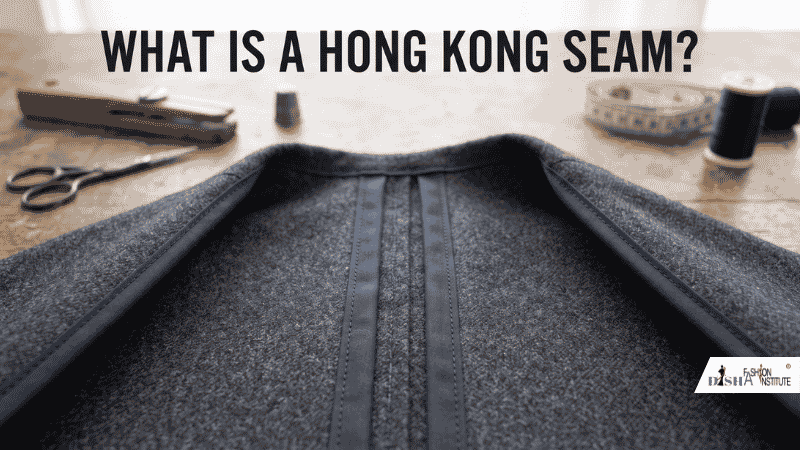
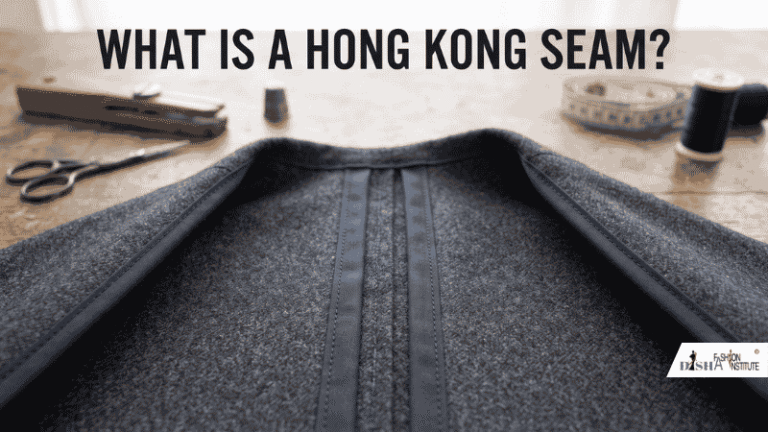
A Hong Kong seam is a method of finishing raw seam allowances by wrapping each edge with a narrow strip of bias-cut fabric. Bias binding is cut diagonally across the fabric grain, allowing it to bend more easily around edges and curves.
Unlike a French seam, which encloses raw edges inside the seam itself, a Hong Kong seam covers the edges with separate strips of fabric. The binding can match the garment fabric for a subtle finish or use a contrasting colour for a decorative effect.
Why Is a Hong Kong Seam Important?
The Hong Kong seam is valued for its neat appearance and versatile finish.
- Prevents fraying: Covers raw seam allowance edges to help keep them secure.
- Creates a polished interior: Makes visible seam allowances look neat and professionally finished.
- Adds decorative detail: Contrasting bias binding can create an attractive design feature.
- Reduces bulky construction: Often works well when a fully enclosed seam would be too thick.
- Suits unlined garments: Helps finish the inside of garments where the seam allowances remain visible.
The result depends on the fabric, binding width, and stitching accuracy.
How Does a Hong Kong Seam Work?
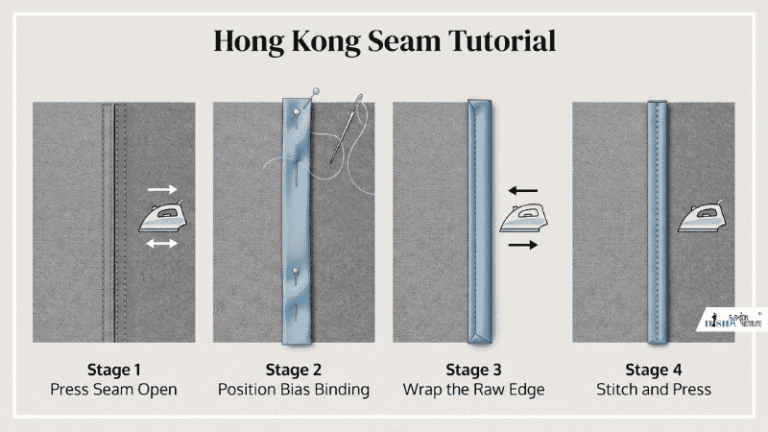
Follow these steps to create a Hong Kong seam:
- Sew the main seam: Join the fabric pieces using the seam allowance specified by your pattern.
- Press the seam allowances open: Separate the allowances so each raw edge can be finished individually.
- Prepare the bias binding: Cut narrow strips of fabric on the bias or use ready-made bias tape.
- Attach the binding: Place the binding along a raw seam allowance edge and stitch it in place.
- Wrap the raw edge: Fold the binding around the edge so it covers the cut fabric completely.
- Stitch the binding: Sew close to the folded edge to secure it neatly.
- Repeat and press: Finish the remaining seam allowance edge and press the completed seam.
Keep the binding smooth and avoid stretching it excessively. For curved seam allowances, bias-cut binding is particularly helpful because it can follow the shape more easily.
Where Is a Hong Kong Seam Used?
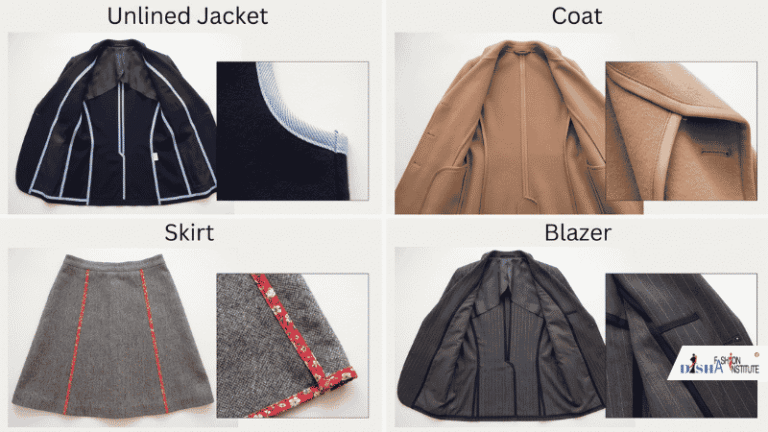
Hong Kong seams are commonly used in garments where the inside finish matters.
- Unlined jackets: Creates a neat finish along exposed seam allowances.
- Coats and blazers: Adds a polished interior, especially in tailored garments.
- Skirts and trousers: Covers raw edges in suitable construction areas.
- Handmade garments: Gives home-sewn clothing a professional finish.
- Decorative sewing projects: Contrasting binding can add a colourful detail to the garment interior.
This technique is especially useful when the seam allowances will be visible and the fabric does not need to be fully enclosed inside the seam.
Hong Kong Seam vs. French Seam
Both techniques help hide or cover raw fabric edges, but they work differently.
A Hong Kong seam uses separate bias binding to wrap the raw edges of the seam allowance. It is useful for unlined garments and can create a decorative finish.
A French seam encloses raw edges within the seam itself using two stages of stitching. It is particularly suitable for lightweight woven fabrics.
Choose a Hong Kong seam when you want a clean, attractive finish on exposed seam allowances. Choose a French seam when you want the raw edges fully enclosed within the seam construction.
Common Hong Kong Seam Mistakes to Avoid
- Using binding that is too narrow to wrap the raw edge securely.
- Stretching or twisting the bias tape while sewing.
- Leaving small sections of the raw edge exposed.
- Stitching unevenly along the folded binding.
- Skipping pressing, which can leave the finished seam bulky or wavy.
Practise on a fabric scrap before finishing the garment. This helps you select the correct binding width and achieve an even result.
Final Thoughts
A Hong Kong seam is a useful seam-finishing technique that covers raw edges with bias binding for a neat, durable, and sometimes decorative result. It is particularly suitable for unlined jackets, coats, skirts, and garments with visible interior seams.
By practising bias binding, careful stitching, and pressing, beginners can improve their garment construction skills and achieve a more professional finish inside their handmade clothing.
Join Disha Fashion Institute
You can also visit our Homepage or explore our different Course pages to learn more about our programs. If you need any guidance related to courses like Basic Tailoring, Diploma in Tailoring, Fashion Designing, or other fashion-related courses, feel free to contact us. Our team will understand your requirements, skill level, and career goals to guide you toward the most suitable course that matches your learning needs. you can check our YouTube Channel we post our Institute and tutorial over there.