
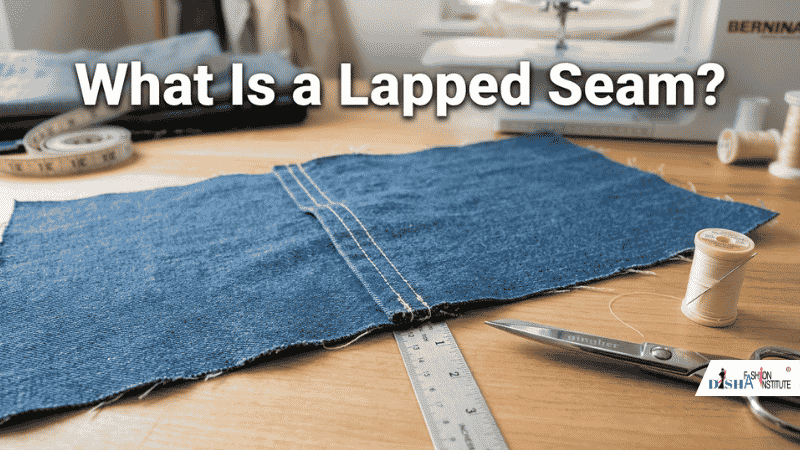
A lapped seam is formed by placing one fabric edge over another and stitching through the overlapping layers. Depending on the fabric and design, the edge underneath may be folded or left raw if the material does not fray.
Unlike a plain seam, where fabric pieces are placed right sides together and stitched before the seam allowances are pressed, a lapped seam joins pieces by overlapping them. The stitching is often visible on the outer surface and can also serve as a decorative detail.
Unlike a French seam, which encloses raw edges inside the seam itself, a Hong Kong seam covers the edges with separate strips of fabric. The binding can match the garment fabric for a subtle finish or use a contrasting colour for a decorative effect.
Why Is a Lapped Seam Important?
Lapped seams are useful for several reasons:
- Creates a flat finish: Overlapping the fabric can reduce bulk compared with some traditional seam constructions.
- Provides secure stitching: The overlapping layers are stitched together to hold the fabric pieces in place.
- Adds decorative detail: Visible stitching can become part of the garment’s design.
- Works with selected materials: Lapped seams are useful for certain non-fraying fabrics, leather, and denim applications.
- Offers design flexibility: The overlap can be adjusted to suit the look and function of the project.
The best construction method depends on the fabric, seam location, and whether the raw edges need to be finished.
How Does a Lapped Seam Work?
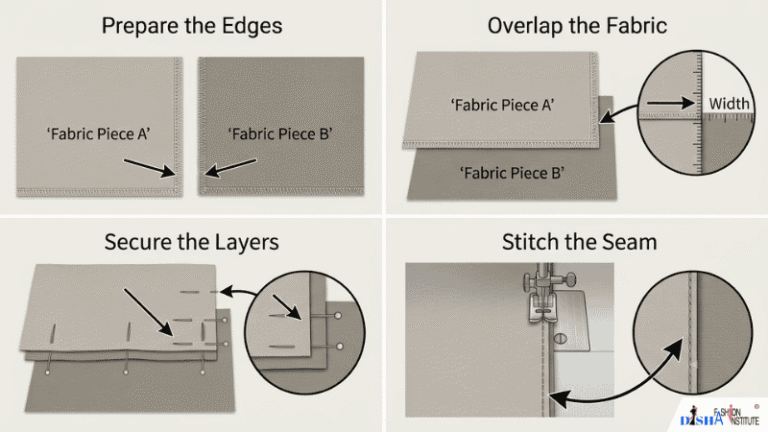
Follow these basic steps to make a lapped seam:
- Prepare the fabric edges: Decide whether the overlapping edge needs to be folded or finished to prevent fraying.
- Position the fabric: Place one fabric piece over the other by the required overlap width.
- Secure the layers: Use pins or fabric clips to prevent the pieces from shifting.
- Stitch the overlap: Sew along the overlapping edge, keeping the stitching even and secure.
- Check the finish: Inspect the seam for straight stitching, secure edges, and a smooth appearance.
For thick materials such as denim or leather, use a suitable needle and thread. Always test the stitch on a scrap before sewing the final garment.
Where Is a Lapped Seam Used?
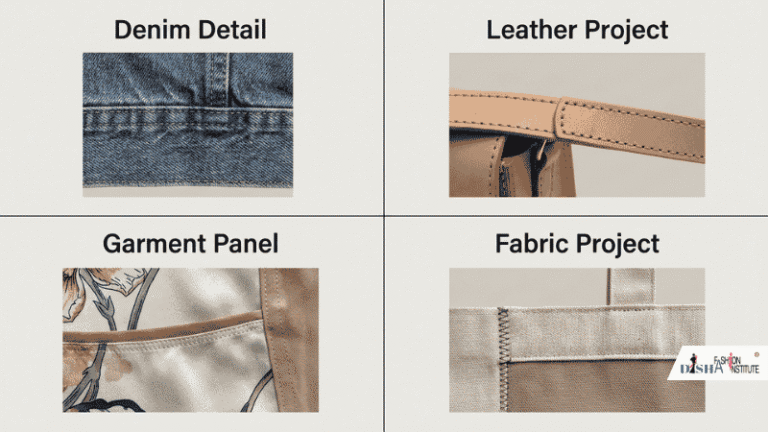
Lapped seams are used in a variety of sewing and construction projects, depending on the material and design.
- Denim garments: Can be used for selected overlapping construction details and decorative effects.
- Leather projects: Useful for joining non-fraying leather pieces with visible stitching.
- Decorative garment details: Creates an intentional overlapping effect on selected design elements.
- Home sewing projects: Can be used for suitable fabric applications where an overlapping join is desired.
- Special garment construction: May be used where the pattern calls for overlapping fabric pieces rather than a conventional seam.
Not every lapped seam is suitable for every fabric. Woven fabrics that fray easily generally need their raw edges folded or otherwise finished before stitching.
Lapped Seam vs. Plain Seam
A lapped seam joins fabric pieces by overlapping one edge over another and stitching through the layers. The stitching is often visible on the surface.
A plain seam joins two pieces with their right sides together, then the seam allowances are usually pressed open or to one side and finished as needed.
A lapped seam is useful when an overlap is part of the design or construction. A plain seam is more common for everyday garment assembly.
Common Lapped Seam Mistakes to Avoid
- Making the overlap uneven along the seam.
- Allowing the fabric layers to shift while stitching.
- Leaving fraying edges unfinished when the fabric requires it.
- Using unsuitable needles or thread for thick materials.
- Stitching too close to the edge and weakening the join.
- Skipping a test seam before working on the garment.
Careful preparation and even stitching help create a strong, neat lapped seam.
Final Thoughts
A lapped seam is a useful sewing technique that joins fabric pieces by overlapping their edges and stitching them together. It can provide a flat finish, visible decorative stitching, and practical construction options for suitable materials.
By learning how to prepare the edges, control the overlap, and stitch accurately, beginners can expand their sewing skills and understand when a lapped seam is the right choice for a project.
Join Disha Fashion Institute
You can also visit our Homepage or explore our different Course pages to learn more about our programs. If you need any guidance related to courses like Basic Tailoring, Diploma in Tailoring, Fashion Designing, or other fashion-related courses, feel free to contact us. Our team will understand your requirements, skill level, and career goals to guide you toward the most suitable course that matches your learning needs. you can check our YouTube Channel we post our Institute and tutorial over there.