
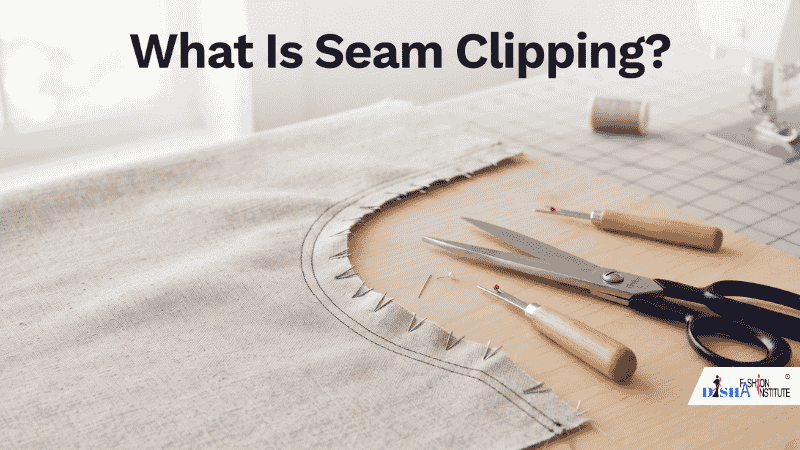
Seam clipping is the process of making small cuts into the seam allowance of an inward-curved seam. These cuts allow the fabric to spread slightly, reducing tension and helping the seam lie flat when the garment is turned to the right side.
It is commonly used with woven fabrics that do not stretch easily. The cuts must stop before reaching the stitching line to prevent the seam from becoming weak or unraveling.
Why Is Seam Clipping Important?
Seam clipping helps improve the shape, fit, and finish of a sewn garment. Its main benefits include:
- Smooth curved seams: Helps necklines and other inward curves lie flat.
- Reduced fabric tension: Allows the seam allowance to spread naturally.
- Better garment finishing: Prevents unwanted pulling, puckering, and bunching around curves.
- Professional appearance: Helps curved edges look neat after pressing.
Without clipping, fabric around a curved seam may pull inward or create small folds when turned to the right side.
How Does Seam Clipping Work?
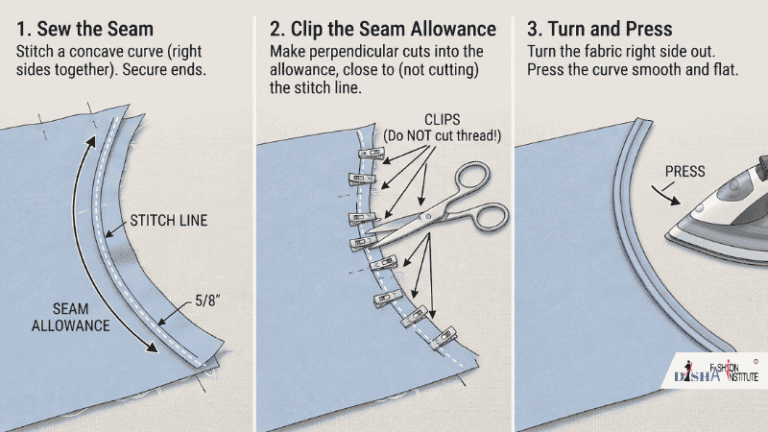
Seam clipping is simple when done carefully. Follow these steps:
- Sew the seam: Stitch the fabric pieces together using the required seam allowance.
- Identify the curved area: Locate the inward curve, such as a neckline or rounded collar.
- Make small clips: Use sharp fabric scissors to make short cuts into the seam allowance, spacing them as needed along the curve.
- Avoid the stitching line: Stop each cut a safe distance before the stitches to prevent damage.
- Turn and press: Turn the fabric to the right side and press the seam gently into its intended shape.
For tighter curves, clips may need to be closer together. Always work carefully and avoid cutting too deeply.
Where Is Seam Clipping Used?
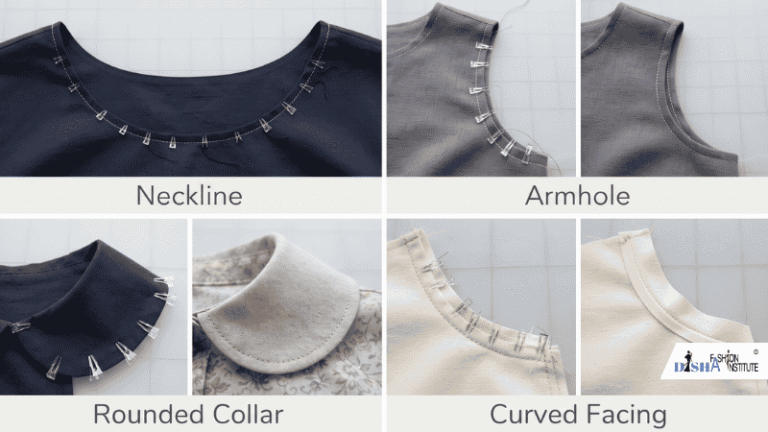
Seam clipping is especially useful in garment areas with inward curves. Common examples include:
- Necklines: Helps curved necklines sit smoothly against the body.
- Armholes: Helps curved seam allowances lie flat in sleeveless garments.
- Rounded collars: Improves the finish around curved collar edges.
- Curved facings: Helps facings turn neatly to the inside of a garment.
- Decorative curved seams: Reduces pulling around inward-curved sections of a design.
Seam Clipping vs. Seam Notching
Seam clipping and seam notching are related techniques, but they are used for different types of curves.
Seam clipping involves making small cuts into the seam allowance of an inward curve so the fabric can spread. Seam notching involves removing small V-shaped pieces of fabric from the seam allowance of an outward curve so the fabric can overlap less and lie flat.
Choosing the correct technique helps prevent bulky or uneven seams.
Common Mistakes to Avoid
When learning seam clipping, avoid these mistakes:
- Cutting through the stitching line.
- Making clips too deep or too widely spaced for a tight curve.
- Using blunt scissors that damage the fabric.
- Skipping pressing after turning the seam.
- Clipping every seam unnecessarily, including straight seams that do not need it.
Always check the fabric and seam shape before clipping. Delicate fabrics may require extra care.
Final Thoughts
Seam clipping is a simple but valuable sewing technique that helps curved seams lie flat and creates a neat garment finish. By learning where and how to clip seam allowances safely, beginners can improve their sewing accuracy and produce better-looking necklines, armholes, collars, and facings.
Whether you are learning basic tailoring or advancing your garment construction skills, mastering seam clipping will help you achieve smoother, more professional sewing results.
Join Disha Fashion Institute
You can also visit our Homepage or explore our different Course pages to learn more about our programs. If you need any guidance related to courses like Basic Tailoring, Diploma in Tailoring, Fashion Designing, or other fashion-related courses, feel free to contact us. Our team will understand your requirements, skill level, and career goals to guide you toward the most suitable course that matches your learning needs. you can check our YouTube Channel we post our Institute and tutorial over there.