
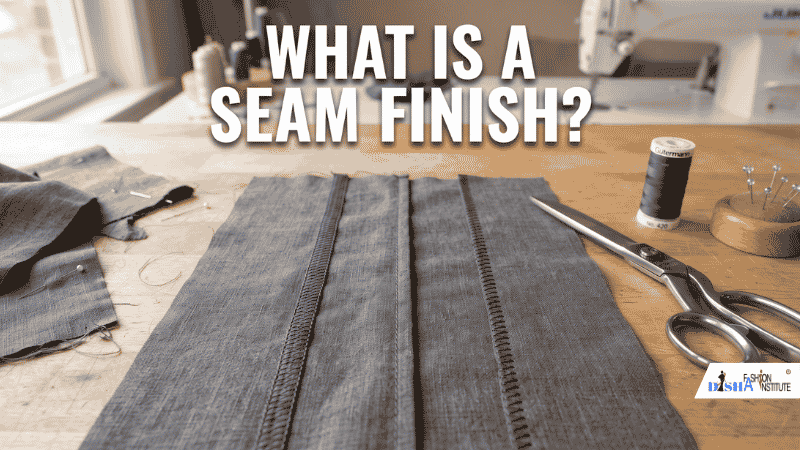
A seam finish is a method of treating the raw edges of a seam allowance to prevent the fabric from unraveling. After two fabric pieces are stitched together, their cut edges may fray during washing, wearing, or handling. A suitable seam finish helps protect these edges.
Different fabrics and garment designs require different finishing methods. Some finishes use a sewing machine, while others can be completed with hand stitching or special equipment.
Why Is Seam Finishing Important?
Seam finishing plays an important role in garment construction for several reasons:
- Prevents fraying: Protects raw fabric edges from unraveling.
- Improves durability: Helps seams withstand regular wear and washing.
- Creates a neat interior: Makes the inside of a garment look clean and professionally finished.
- Reduces loose threads: Keeps cut edges under control.
- Improves comfort: Helps manage bulky or rough seam allowances when the appropriate finish is selected.
A good seam finish is especially useful for garments made from fabrics that fray easily, such as loosely woven cotton and linen.
What Are the Different Types of Seam Finish?
There are several seam finishing techniques used in sewing. The best choice depends on the fabric, garment design, available equipment, and desired appearance.
1. Zigzag Seam Finish
A zigzag stitch is sewn along the raw edge of the seam allowance to help prevent fraying. It is a practical option for home sewing machines and beginners.
2. Overlock or Serger Finish
An overlock machine trims and wraps thread around the fabric edge. This finish is commonly used in garment factories and home sewing to create a clean, durable edge.
3. Pinked Seam Finish
Pinking shears cut the fabric edge into a zigzag pattern. This can help reduce fraying in some fabrics, although it is not as secure as an overlocked edge for every material.
4. Turned-and-Stitched Finish
The raw edge is folded inward and stitched down. This creates a neat edge and is useful when a clean finish is desired without an overlock machine.
5. Bound Seam Finish
The raw edges are covered with bias binding or another suitable strip of fabric. This method can create an attractive, durable finish and is useful for unlined garments or visible seam allowances.
6. French Seam
A French seam encloses the raw edges inside the seam itself. It is particularly suitable for lightweight fabrics and delicate garments where a clean interior is important.
How Do You Finish a Seam?
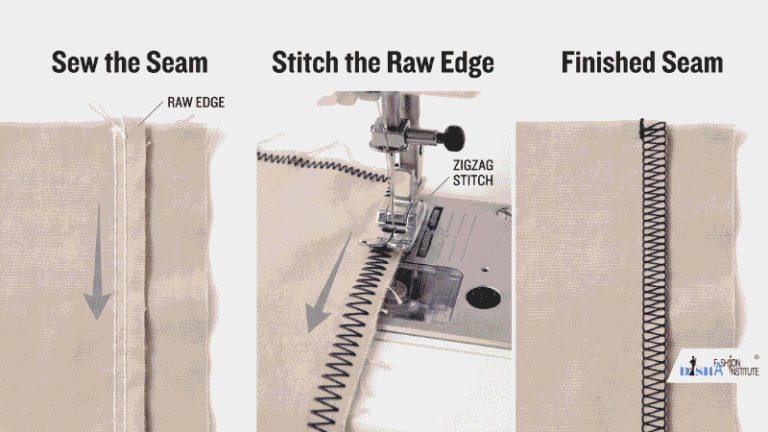
The exact process depends on the technique you choose. Here is a simple method using a zigzag stitch:
- Sew the main seam: Join the fabric pieces using the required seam allowance.
- Prepare the seam allowance: Open the seam or keep the allowances together, depending on the garment and fabric.
- Select a zigzag stitch: Choose a suitable stitch width and length for your material.
- Stitch along the raw edge: Sew close to the edge without letting the fabric bunch or curl.
- Check the finish: Trim loose threads and inspect the edge to make sure it is secure.
Always test the stitch on a fabric scrap first. For delicate, thick, or stretchy fabrics, another finishing technique may work better.
Where Are Seam Finishes Used?
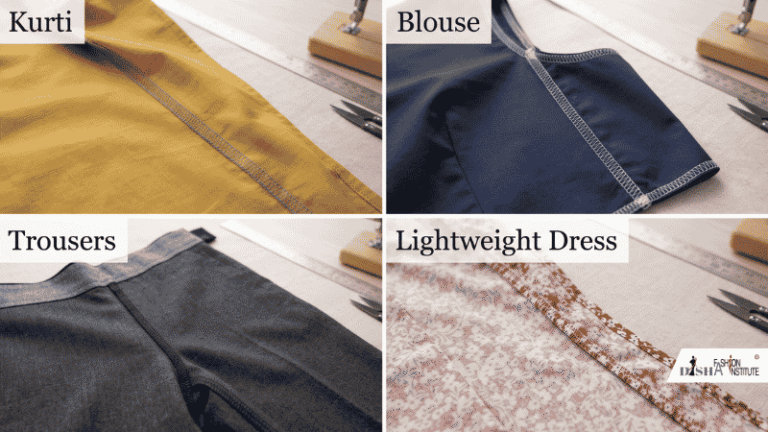
Seam finishes are used in almost every type of garment construction, including:
- Kurtis and dresses: Help protect side seams and other raw edges.
- Blouses: Keep seam allowances neat around bodices and sleeves.
- Trousers and skirts: Improve the durability of seams that experience regular movement.
- Shirts: Provide a clean interior finish for everyday wear.
- Lightweight garments: French seams can help enclose raw edges in suitable fabrics.
- Unlined garments: Bound or turned-and-stitched finishes can make the inside look more polished.
The most suitable finish depends on fabric thickness, fraying tendency, garment construction, and whether the seam will be visible.
Seam Finish vs. Seam Allowance
A seam allowance is the extra fabric between the stitching line and the cut edge. It provides the space needed to join fabric pieces together.
A seam finish, on the other hand, is the technique used to protect or neaten the raw edges within that seam allowance.
In simple terms, the seam allowance provides the fabric needed for stitching, while the seam finish helps keep its raw edges secure and tidy.
Common Seam Finishing Mistakes to Avoid
- Choosing a finish that is unsuitable for the fabric.
- Stitching too close to the edge when the technique requires more support.
- Using excessively tight stitches that cause the fabric to pucker.
- Leaving loose threads or uneven raw edges.
- Skipping a test on scrap fabric before working on the garment.
Careful seam finishing improves both the appearance and lifespan of handmade clothing.
Final Thoughts
A seam finish is an essential part of sewing that helps prevent fraying, improves durability, and gives garments a clean interior. From a simple zigzag stitch to a French seam or bound finish, each method has its own purpose.
By learning different seam finishing techniques and choosing the right one for each fabric, beginners can improve their tailoring skills and create garments with a more professional finish.
Join Disha Fashion Institute
You can also visit our Homepage or explore our different Course pages to learn more about our programs. If you need any guidance related to courses like Basic Tailoring, Diploma in Tailoring, Fashion Designing, or other fashion-related courses, feel free to contact us. Our team will understand your requirements, skill level, and career goals to guide you toward the most suitable course that matches your learning needs. you can check our YouTube Channel we post our Institute and tutorial over there.