
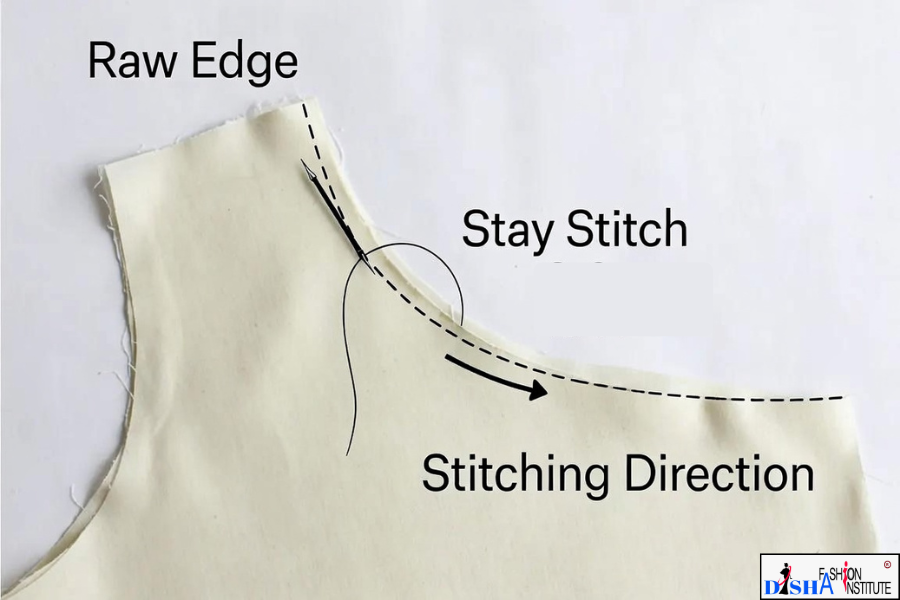
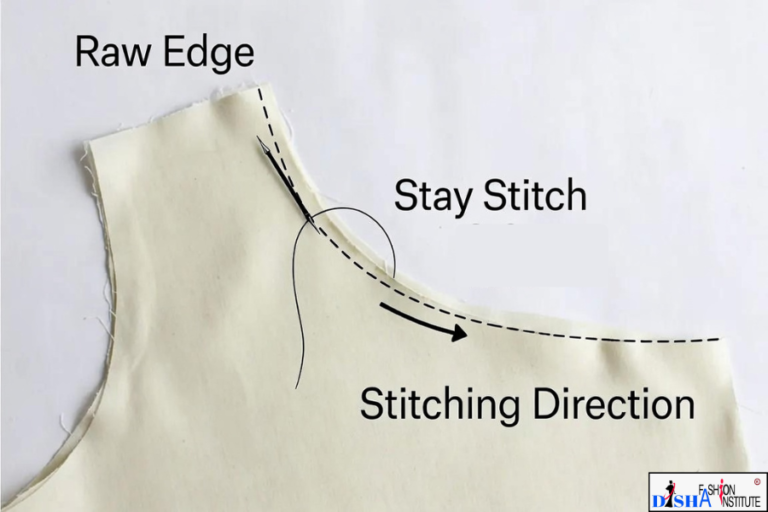
A stay stitch is a single row of straight stitches sewn close to the raw edge of a fabric piece before the garment is assembled. It is usually sewn about 3–6 mm (⅛–¼ inch) from the edge, inside the seam allowance, and is commonly used on curved or bias-cut areas such as necklines, armholes, and princess seams.
This simple technique is done immediately after cutting the fabric to help preserve its original shape. Curved edges are naturally more flexible than straight edges, so they can easily stretch or become distorted while being handled, pressed, or moved through the sewing process. Stitching these areas early helps keep them stable, making it easier to join garment pieces accurately and achieve a neat finish.
Although this line of stitching is not decorative, it plays an important role during garment construction. It remains hidden inside the seam allowance once the garment is completed, so it does not affect the final appearance. Instead, it quietly supports the fabric by reducing unwanted stretching and helping curved sections maintain their intended shape.
Whether you’re sewing a dress, blouse, kurti, shirt, or any other garment, using a stay stitch is a simple habit that improves accuracy, fit, and overall finishing. Spending just a few extra minutes on this step can prevent common sewing problems and help create garments that look cleaner, hold their shape better, and have a more professional finish.
Why Is Stay Stitch Important?
Using a stay stitch may only take a few minutes, but it can save you from many common sewing problems later. Curved and bias-cut edges naturally stretch when they are picked up, moved, or stitched. Once stretched, they are difficult to return to their original shape.
A stay stitch helps prevent this unwanted stretching, allowing garment pieces to fit together more accurately. It also improves the overall appearance of the finished garment by keeping necklines and armholes smooth instead of wavy. Whether you’re a beginner learning sewing or an experienced tailor working on professional garments, adding a stay stitch is a simple habit that leads to better results.
Where Is Stay Stitch Used?
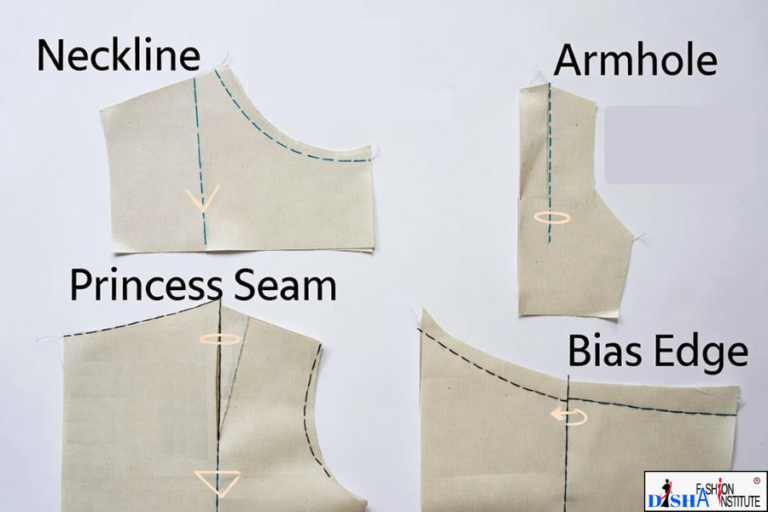
A stay stitch is mainly used on fabric edges that are likely to stretch before they are sewn together. Some of the most common areas include:
- Necklines: Curved necklines can easily lose their shape while handling, making them one of the most important places for a stay stitch.
- Armholes: Stay stitching helps armholes remain smooth and correctly shaped before sleeves or facings are attached.
- Princess Seams: Curved princess seam sections benefit from a stay stitch because it keeps both fabric pieces aligned during construction.
- Bias-Cut Edges: Fabric cut on the bias has more stretch than straight-grain fabric. A stay stitch helps control this movement and maintains accurate shaping.
Applying a stay stitch immediately after cutting these pieces helps preserve their original shape throughout the sewing process.
How to Sew a Stay Stitch
Sewing a stay stitch is quick and straightforward when done at the right stage of garment construction.
Step 1: After cutting your fabric pieces, identify all curved or bias-cut edges that need a stay stitch.
Step 2: Set your sewing machine to a regular straight stitch with a stitch length of about 2–2.5 mm.
Step 3: Sew a single line of stitching approximately 3–6 mm (⅛–¼ inch) from the raw edge. Follow the natural curve of the fabric without rushing.
Step 4: Handle the fabric gently while sewing. Avoid pulling or stretching it, as this defeats the purpose of the stay stitch.
Step 5: Once the stay stitch is complete, continue assembling the garment as usual. The stitching will usually remain hidden inside the finished seams or facings.
Common Mistakes to Avoid with Stay Stitch
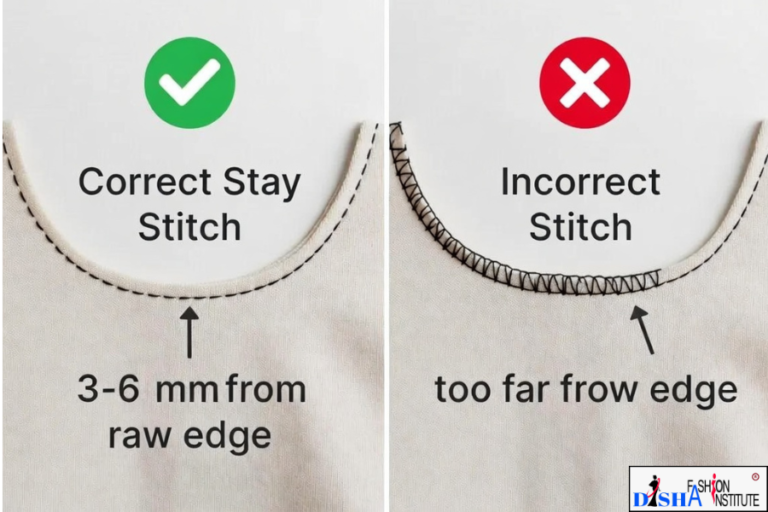
Even though a stay stitch is simple to sew, a few common mistakes can reduce its effectiveness.
One mistake is skipping the stay stitch altogether, especially on necklines and armholes. This increases the chance of stretched or uneven edges.
Another mistake is pulling the fabric while stitching. Let the sewing machine feed the fabric naturally without forcing it forward.
Some beginners also sew the stay stitch too far from the raw edge. Keeping it close to the edge ensures it will stay inside the seam allowance and provide better support.
Finally, avoid handling curved fabric pieces too much before adding the stay stitch. The more these edges are moved around, the greater the chance they will stretch before being secured.
Frequently Asked Questions About Stay Stitch
What is a stay stitch used for?
A stay stitch is used to prevent curved and bias-cut fabric edges from stretching before garment pieces are joined together. It helps maintain accurate shape and improves the final fit.
Is a stay stitch permanent?
Yes. In most sewing projects, a stay stitch remains inside the seam allowance and becomes part of the finished garment. It is usually hidden and does not need to be removed.
Should you remove a stay stitch?
Generally, no. Since the stay stitch is sewn within the seam allowance, it stays inside the garment and provides extra stability without affecting the appearance.
Can you sew a stay stitch by hand?
Yes. Although a sewing machine is faster and provides more even stitches, a stay stitch can also be sewn by hand using small, straight stitches if a machine is not available.
When should you stay stitch fabric?
A stay stitch should be sewn immediately after cutting the fabric and before handling curved or bias-cut edges. This helps preserve the original shape from the very beginning of the sewing process.
Conclusion
A stay stitch may seem like a small detail, but it makes a noticeable difference in the quality of a finished garment. By preventing curved edges from stretching, it keeps necklines, armholes, and other shaped sections accurate and easy to sew. This simple technique requires very little time but helps create garments that fit better and look more professional.
Whether you’re learning basic sewing skills or creating garments for clients, making a stay stitch part of your regular sewing routine is a smart habit. A few extra stitches at the beginning of a project can save time, reduce mistakes, and give your finished garment a cleaner, more polished appearance.
Join Disha Fashion Institute
You can also visit our Homepage or explore our different Course pages to learn more about our programs. If you need any guidance related to courses like Basic Tailoring, Diploma in Tailoring, Fashion Designing, or other fashion-related courses, feel free to contact us. Our team will understand your requirements, skill level, and career goals to guide you toward the most suitable course that matches your learning needs. you can check our YouTube Channel we post our Institute and tutorial over there.